Light Jet Charter Cost: $2,900-$4,600 Per Hour, Explained
Light jets charter for $2,900-$4,600 an hour. What that buys, which aircraft fall in the category, and where a light jet stops making sense versus a midsize.
- Typical seats
- 8
- Range
- 2,178 nm
- Typical mission
- Regional trips of 2.5 to 4.5 hours
Honest all-in cost
$2,900–$4,600/flight hour
Rates as of October 2026. Cross-operator range, not one broker's quote.
- Flight time (2 hrs billed)
- $5,800–$9,200
- Federal Excise Tax (7.5%, 26 U.S.C. §4261)
- $435–$690
- Repositioning, overnight crew, landing/handling fees
- Varies by base and route, not in this sample
- Sample 2-hour flight, all-in
- $6,235–$9,890
Real quotes add repositioning legs, daily minimums, overnight crew fees, fuel surcharges, and international handling where they apply. Operators that quote a bare hourly rate without these are underselling the true cost. Use the full estimator to model your actual trip.
Light jets charter for $2,900 to $4,600 an hour on Paramount Business Jets’ current pricing, and that band covers three sizes: very light jets like the Citation Mustang at $2,900-$3,400, light jets like the Beechjet 400 at $3,750-$4,200, and super-light jets like the Learjet 45 at $4,200-$4,600. One name brokers still call a light jet has moved up: Paramount now lists the Citation XLS+ in its midsize category, at about $4,700 an hour (see midsize jet charter cost).
Typical seating runs from 3-4 in a very light jet to 6-8 in a super-light, and range from about 1,125 to 2,178 nautical miles, on Paramount’s capacity table for the three sizes. That covers most coast-to-coast-adjacent domestic routes without a fuel stop, though a true transcontinental run (New York to Los Angeles, say) is usually past what a light jet can do nonstop with a full cabin.
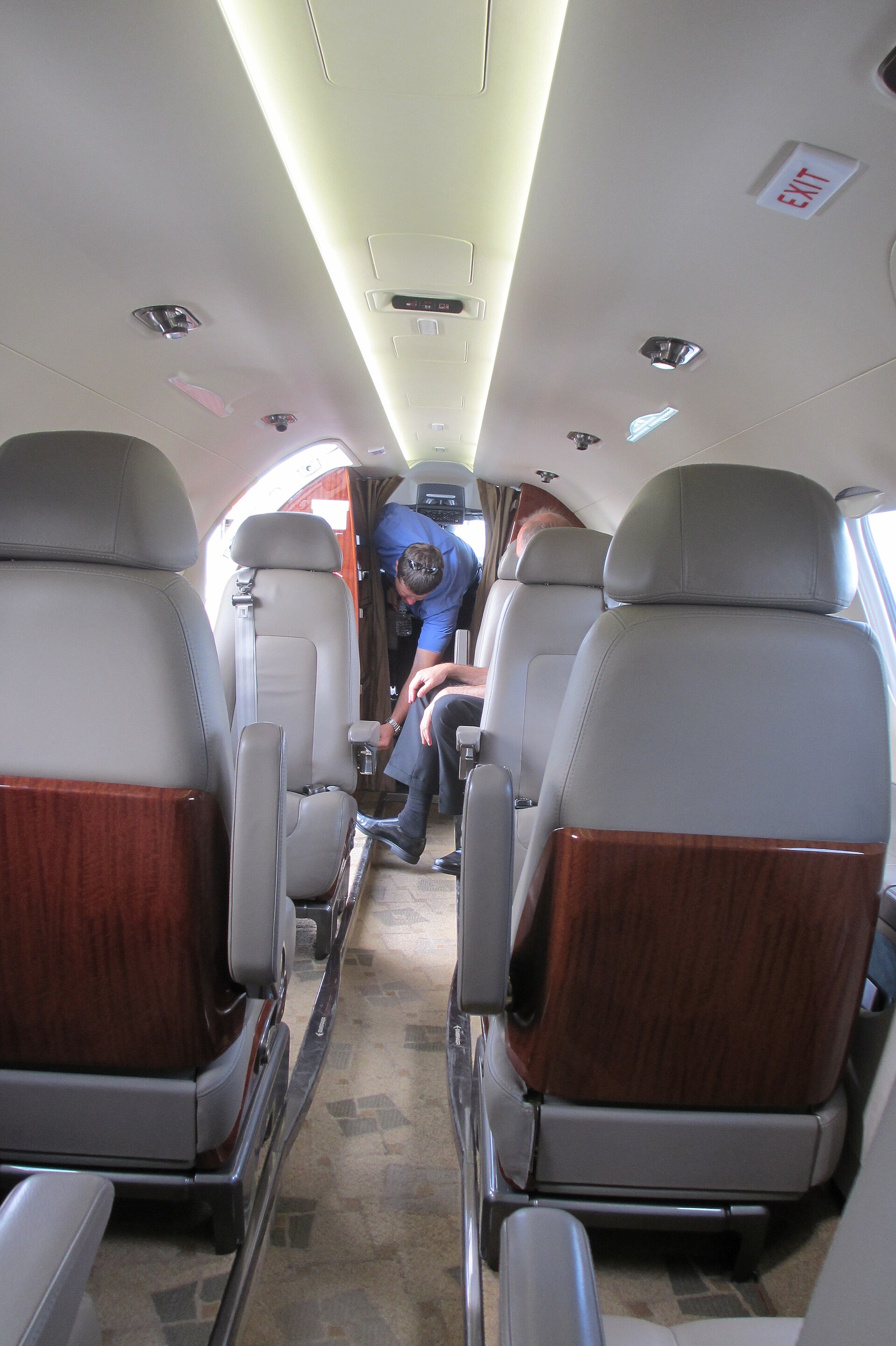
The three aircraft that actually define the category
Ask a broker for a light jet and three names come up more than any others, and all three price in the upper half of the $2,900-$4,600 band, which tells you where the category’s real center of gravity sits. The Citation CJ3+ runs about $4,000 an hour on Paramount’s own pricing, seats 6 typically and up to 8, and carries a 2,040-nautical-mile range on a cabin that’s 15 feet 8 inches long, tight but usable for a 2-3 hour leg. The Embraer Phenom 300E, Embraer’s own best-selling light jet for more than a decade running, prices at roughly $4,600 an hour, seats 7 typically and up to 9, and cruises at 453 knots with 2,010 nautical miles of range. The Learjet 75 matches it at about $4,600 an hour, seats 8 typically and up to 9, flies 2,040 nautical miles, and has both the fastest cruise of the three, 464 knots, and the highest ceiling, 51,000 feet.
That third name comes with a caveat worth knowing before you book one: Bombardier ended all Learjet production, including the 75, in the fourth quarter of 2021, closing out the brand entirely rather than just one model. Every Learjet 75 you’ll charter from here forward is already a few years old and getting older, with no new ones coming to replace an aging tail. That’s not a reason to avoid the type, the fleet in circulation is well maintained and Bombardier kept its parts and service network running, but it’s a fair question to ask an operator quoting one: how old is this specific airframe, and what’s its maintenance history.
The practical difference between the three rarely comes down to seats, all three fit 6-9 people well enough. It comes down to what the trip actually needs. The CJ3+ is the value pick, $600 an hour under the other two for range that’s just as good. Between the Phenom 300E and the Learjet 75, the rate is the same, so it comes down to the airplane: the Learjet is slightly faster and its 51,000-foot ceiling, the highest of the three, buys the most consistent ability to climb above weather other light jets have to fly through or around, worth something on a route that regularly deals with thunderstorm season or heavy jet-stream turbulence.
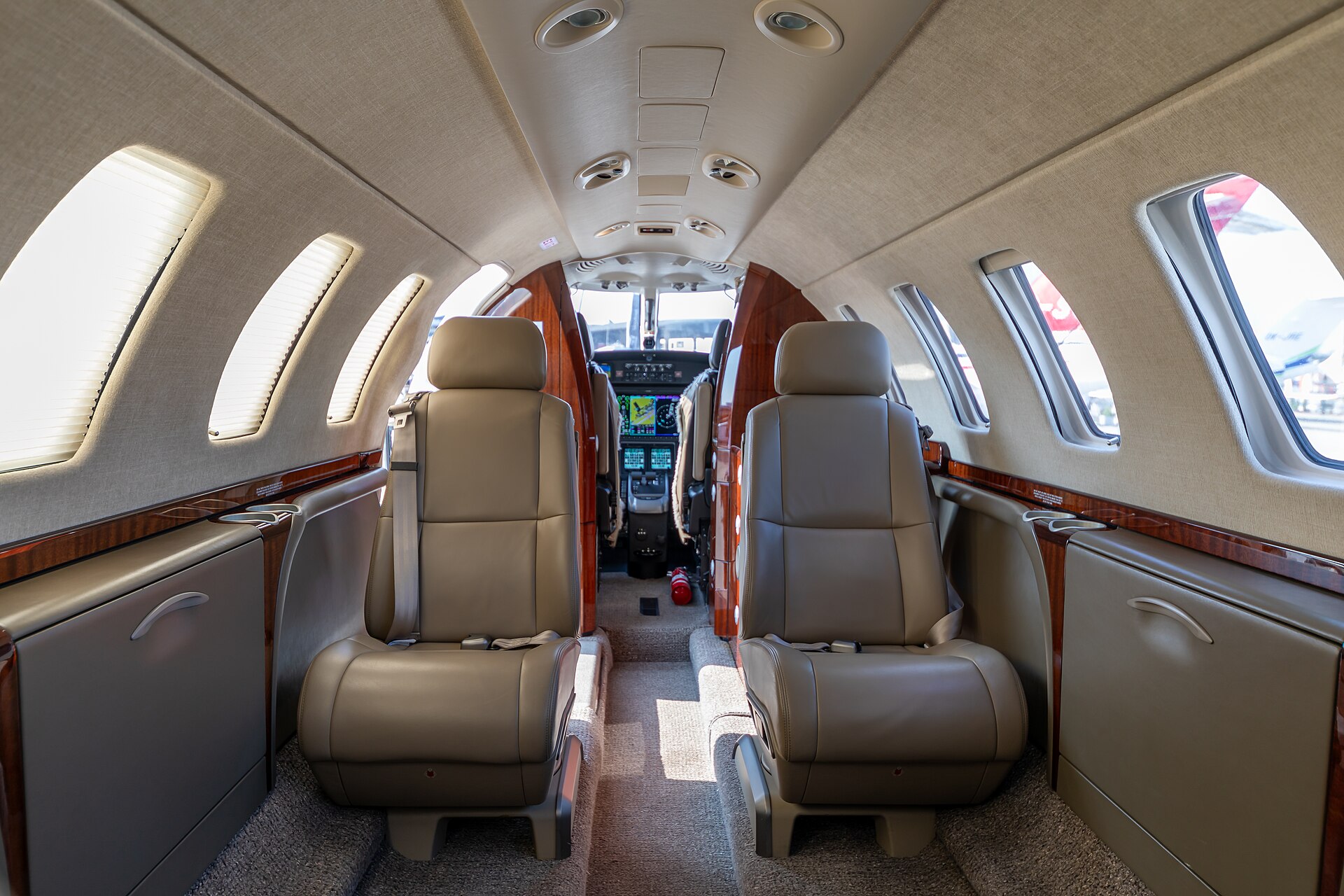
Why the category exists between turboprop and midsize
A light jet buys altitude and speed a turboprop doesn’t have, cruising above most weather at 430-450 knots versus a turboprop’s low-300s. It doesn’t buy the cabin room or transcontinental range of a midsize. That speed and altitude edge is worth paying for past roughly 600-800 miles, where a light jet clears weather a turboprop has to fly through and starts shaving real time off the trip. Under 400 miles, the time saved rarely justifies the roughly 25-30% higher hourly rate over a turboprop, and the category is built for the 2-4 hour domestic trip anyway: New York to Chicago, Dallas to Miami, the kind of route where a turboprop would take noticeably longer and a midsize jet would be paying for capability you don’t need.
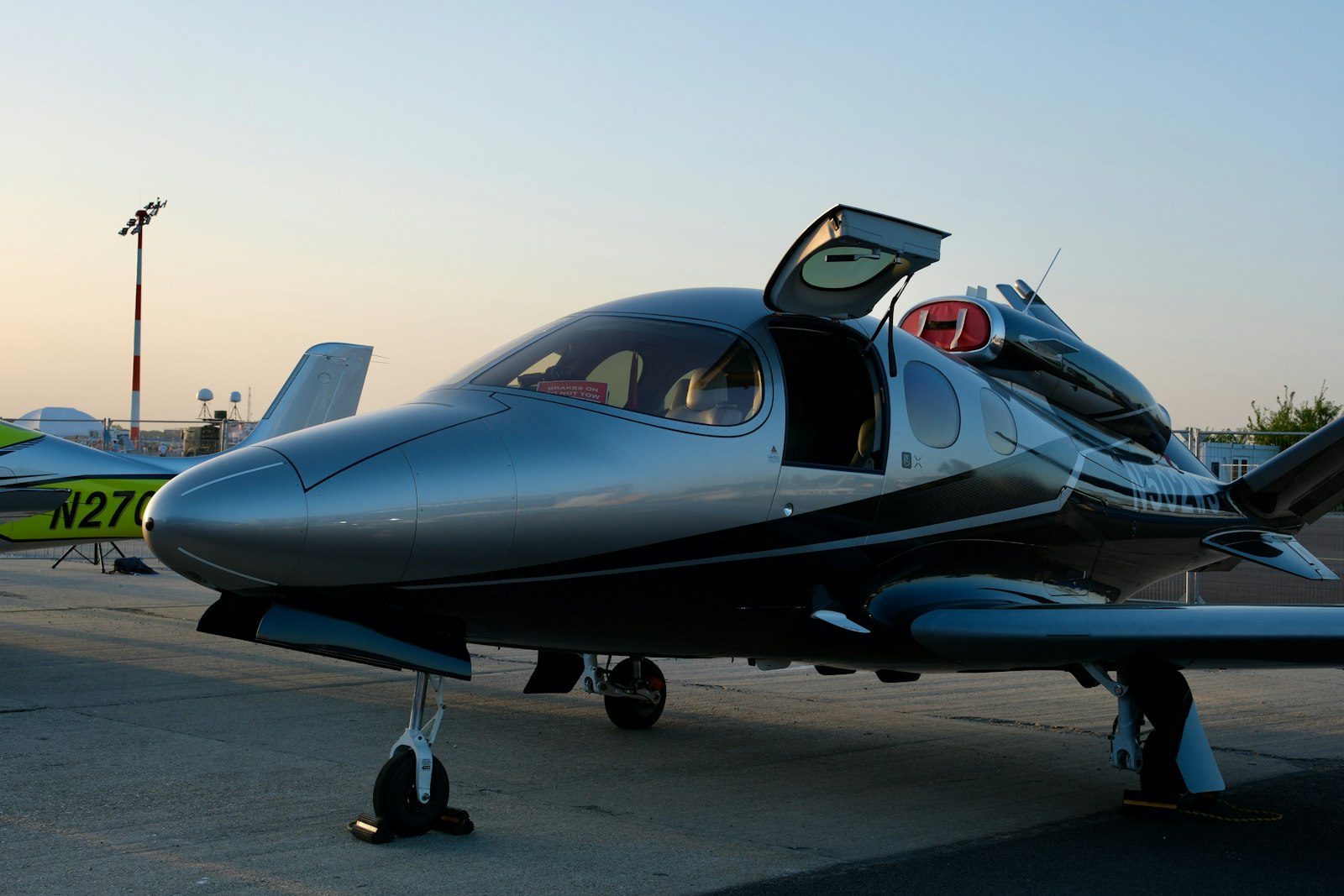
The line items that change the number
The 7.5% federal excise tax applies on top of any quoted hourly rate. Daily minimum billing (commonly 2 hours) means a 45-minute regional hop still costs two hours of flight time. Repositioning matters here more than in some categories, light jets are common charter aircraft with high utilization, so the nearest available tail isn’t always parked at your departure airport.
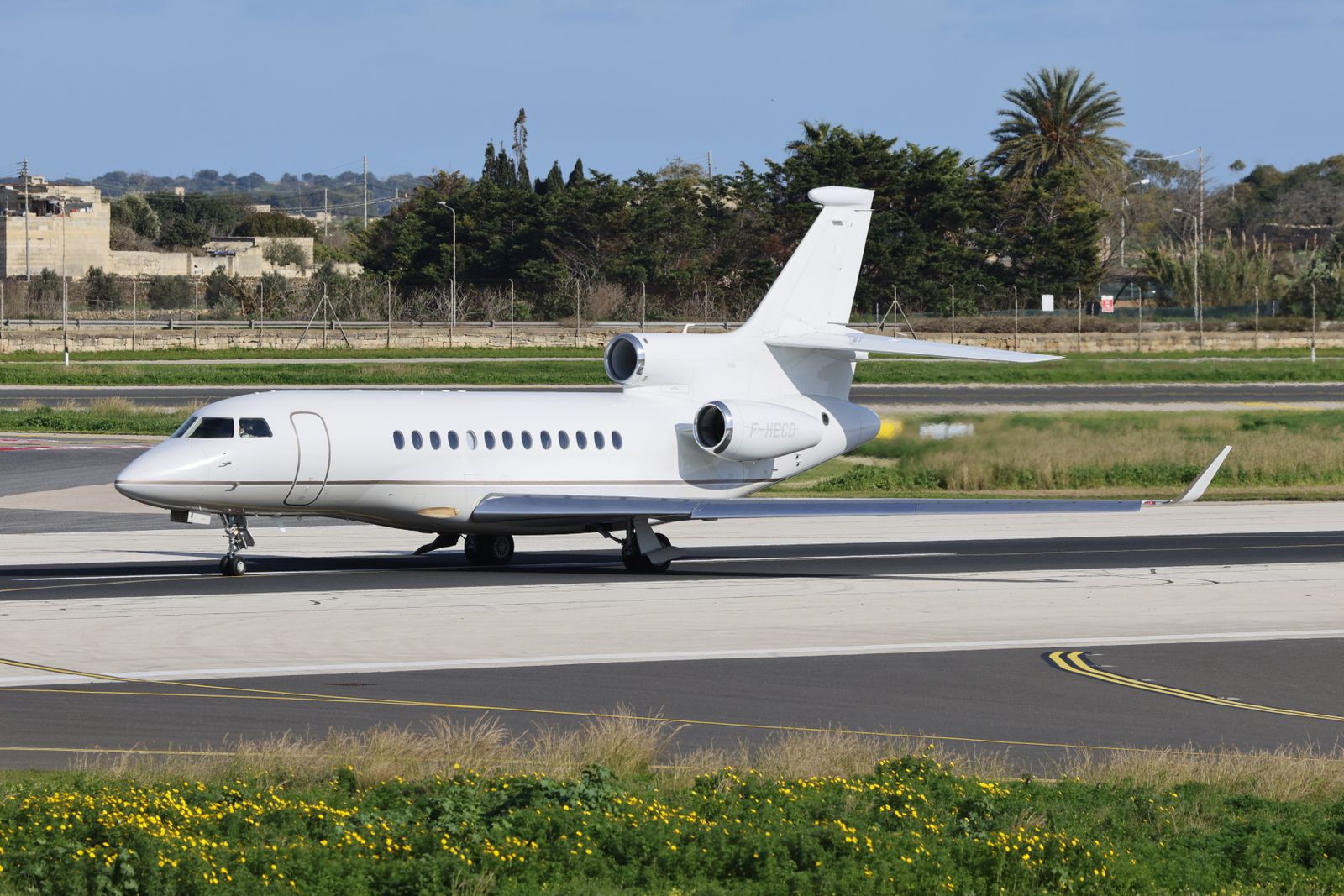
Where it sits on the ladder: a turboprop runs roughly 20-25% less an hour but flies lower and slower, and a midsize jet buys the stand-up cabin and the extra range a light jet can’t reach. Price your own leg with the charter cost estimator, or compare every category on the hourly rate by aircraft class page.
Priced against the real hourly range, not one operator's number.