Private Jet Cost: New York to Miami
New York to Miami by private jet runs about $17,000-$27,000 one way on a broker's current estimates, light jet to midsize. Distance, aircraft, and the honest all-in number.
- Typical seats
- 8
- Range
- 947 nm
- Typical mission
- 2-2.5 hour nonstop domestic leg
Honest all-in cost
$4,700–$5,500/flight hour
Rates as of October 2026. Cross-operator range, not one broker's quote.
- Flight time (2 hrs billed)
- $9,400–$11,000
- Federal Excise Tax (7.5%, 26 U.S.C. §4261)
- $705–$825
- Repositioning, overnight crew, landing/handling fees
- Varies by base and route, not in this sample
- Sample 2-hour flight, all-in
- $10,105–$11,825
Real quotes add repositioning legs, daily minimums, overnight crew fees, fuel surcharges, and international handling where they apply. Operators that quote a bare hourly rate without these are underselling the true cost. Use the full estimator to model your actual trip.
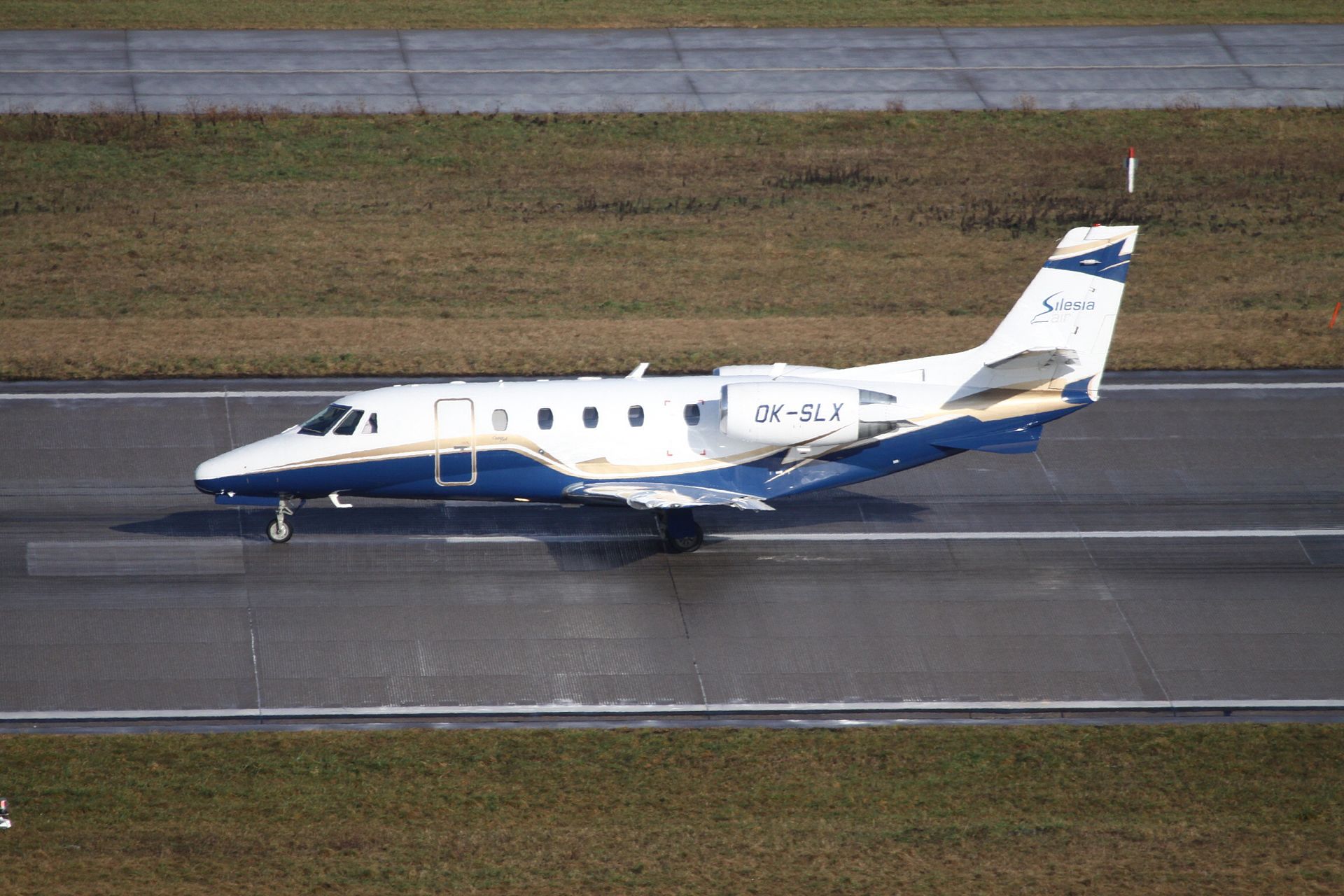
New York to Miami covers 947 nautical miles point to point (1,090 statute miles, the number most flight-distance tools report by default), a 2-2.5 hour nonstop leg in most light or midsize jets. At Paramount Business Jets’ current rates, a Citation CJ3 light jet (about $4,000 an hour) comes to roughly $8,000-$10,000 for the flight time alone before tax, and a midsize jet like the Citation Excel ($4,700) or Hawker 800XP ($5,000) about $9,400-$12,500, since neither aircraft needs a fuel stop on a route this short.
Add 7.5% federal excise tax and the light-jet flight time lands around $8,600-$10,750. A turboprop like the King Air 350 or Pilatus PC-12, both about $2,600 an hour, takes roughly 3 to 3.5 hours at their 290-310 knot cruise, which comes to $7,800-$9,100 before tax: a little less than the light jet, for an extra hour in the air.
What operators actually quote
Hourly-rate math is a useful floor, but it’s not what shows up on an actual one-way quote once positioning, crew costs, and airport fees are folded in. Paramount’s own New York to Miami page, which says its prices were verified in August 2026, estimates $17,000-$20,000 one way in a light jet such as a Beechjet 400A or Citation CJ3, $20,000-$23,000 in a super-light jet, and $23,000-$27,000 in a midsize such as a Citation Excel or Hawker 800XP, crew and standard fees included.
| Aircraft class | One-way estimate (Paramount) |
|---|---|
| Light jet | $17,000-$20,000 |
| Super-light jet | $20,000-$23,000 |
| Midsize jet | $23,000-$27,000 |
| Empty leg (opportunistic) | up to 75% less, per Paramount |
The gap between the flight-time math ($8,600-$10,750 with tax for a light jet) and the one-way estimates ($17,000-$20,000) is positioning, landing and ramp fees at both ends, and crew costs that a pure hourly-rate calculation doesn’t capture. Treat the hourly math as a starting point for comparing categories, not as the number you’ll actually see on an invoice.
The snowbird season effect
This corridor has one of the most pronounced seasonal demand cycles in private aviation. South Florida becomes a de facto second base for a large share of Northeast finance, media, and tech money every winter, and that migration runs roughly November through April, peaking around the holidays, Art Basel Miami in early December, and the Palm Beach social season into February and March.
The practical effect: a quote in January costs meaningfully more than the identical flight in July, and one-way southbound charters in peak season are harder to book on short notice because so many aircraft are already positioned or booked south. If your travel dates are flexible, shifting outside the November-April window is the single biggest lever on price for this route. New York winter operations also add de-icing fees at the origin airport that don’t apply to a summer flight, a real line item worth asking about on any January or February quote.
Why bigger isn’t automatically better here
A super-midsize or heavy jet flies this route in essentially the same 2-2.5 hours as a light jet, the distance is short enough that extra range and speed don’t translate into meaningfully less flight time. Unless you’re moving a party of 9+ or need the cabin space for meetings or extended work, the higher hourly rate of a bigger aircraft buys capability this specific route doesn’t use.

What changes the real quote
One-way charters routinely carry a repositioning charge if the aircraft has to return empty or reposition for its next booking, since operators price the empty return leg into what looks like a one-way fare. Ask specifically whether the quoted price is a true one-way rate or has repositioning baked in silently. Round trips avoid this if the aircraft can wait for you or fly a paying leg elsewhere in between.
The flip side of that same dynamic is the empty leg: when an aircraft has to fly this route anyway to reposition for its next paying booking, operators discount it rather than fly it for nothing. Discounts run 30-75% off standard charter rates, with the steepest cuts, 60-75% off, reserved for flights offered within hours of departure, and more moderate 25-40% discounts on repositioning legs identified further in advance on popular corridors like this one. New York to South Florida is consistently named by charter operators as one of the busiest empty-leg corridors in the country, a direct result of the snowbird imbalance described above: aircraft fly south full during peak season and often need to reposition north empty, or vice versa after a holiday. The tradeoff is fixed timing: you take the aircraft’s schedule, not the other way around, and if the paying flight generating the empty leg changes or cancels, your discounted seat disappears with it.
This route is the classic case for a light jet, with a midsize buying the cabin rather than the range. Price your own dates with the charter cost estimator, or compare every category on the hourly rate by aircraft class page.
Priced against the real hourly range, not one operator's number.