Fractional ownership
Fractional Jet Ownership Cost: The Real Numbers
Fractional shares run $354,000-$705,000 to buy in, plus $6,450-$9,534 monthly and $1,189-$2,405 an occupied hour. PlaneSense publishes real numbers.
- Typical hourly
- $1,797/hr
- Initiation
- $529,500
- Monthly management
- $7,992
- Pricing as of
- July 2026
Published program figures
- Typical hourly rate
- $1,797/hr
- Initiation / deposit
- $529,500
- Monthly management fee
- $7,992/mo
- Rough break-even vs charter
- 50+ hrs/yr vs jet card
Pricing as of July 2026. Figures cited from published program pages, not a single sales quote.
Named neutrally, not endorsed: PlaneSense, NetJets, Flexjet.
Fractional ownership means buying a specific fraction of a specific aircraft, most commonly 1/16th, which typically entitles the owner to around 50 flight hours a year on that aircraft or a comparable one in the fleet. Three costs stack: an upfront acquisition cost for the share itself, a monthly management fee covering crew, maintenance, and fleet overhead, and an occupied hourly rate charged only when you actually fly.
PlaneSense is the one major fractional provider whose pricing is fully public. A 1/16th share of a PC-12 (turboprop) runs $354,000 to acquire, $6,450 a month in management fees, and $1,189 an hour occupied. Stepping up to the PC-24 (light jet), the same 1/16th share runs roughly $705,000 to acquire, $9,534 a month, and $2,405 an hour occupied.
NetJets and Flexjet do not publish acquisition cost, monthly fee, or occupied-rate dollar figures on their own sites. NetJets’ fractional pages route straight to a sales inquiry with no dollar figures at all. Flexjet’s fractional-ownership page discloses no acquisition cost, monthly fee, or occupied rate either, but it does confirm the share structure itself: shares start at 1/16th of an aircraft, each aircraft carries 800 total flight hours a year across all its owners, and additional hours above the base share sell in 50-hour increments. That math is consistent industry-wide, and it’s what sets the ceiling on how large a share can get:
| Share size | Annual flight hours |
|---|---|
| 1/16 | 50 |
| 1/8 | 100 |
| 1/4 | 200 |
| 1/2 | 400 |
Flexjet’s contract runs a maximum 60-month term with a 50-hour annual minimum utilization, guarantees access with a 10-hour response time, and waives ferry fees within the provider’s primary and extended service areas. Owners can also exchange hours into other aircraft types, the provider’s European fleet, or helicopter service, a flexibility a straight jet card or on-demand charter doesn’t offer.

Treat any NetJets or Flexjet fractional dollar figure circulating online skeptically unless it traces to the company’s own materials. The one exception: Private Jet Card Comparisons, which tracks both card and fractional pricing across the industry, publishes its own blended-cost model for a NetJets Phenom 300 fractional share at the 50-hour tier, working out to roughly $8,901 an hour all-in. That figure folds together the acquisition cost, a 50% assumed repurchase value at the end of the term, the monthly management fee, the occupied hourly rate, and fuel, into one blended number. Worth sitting with: NetJets’ own 275 jet card on the same aircraft runs $8,600 an hour. At the minimum 50-hour share size, the fractional share doesn’t clearly beat the card on a per-hour basis, which is the concrete version of the “needs real volume to pay off” point below.
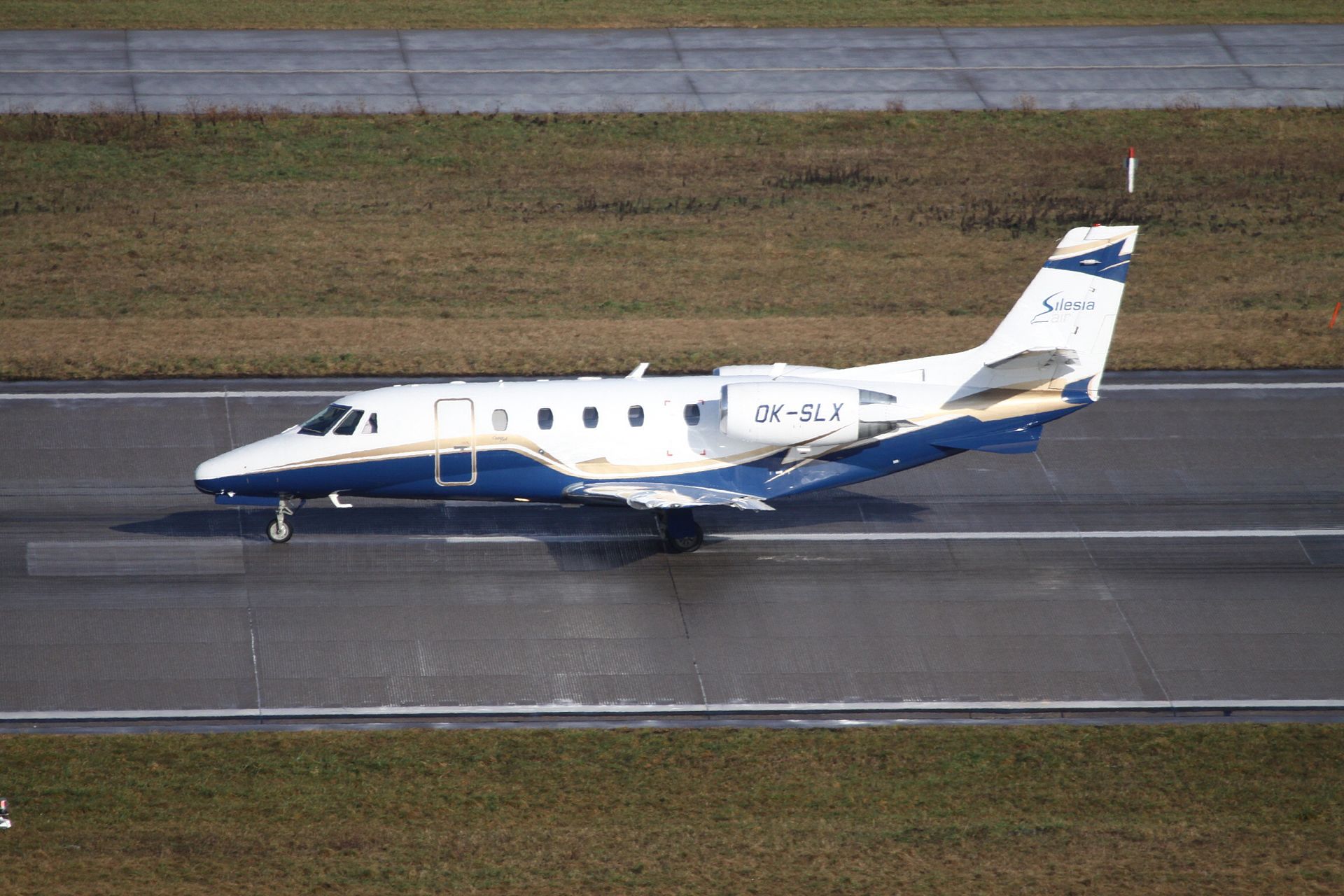
The three providers side by side
| Provider and aircraft | 1/16 share acquisition | Monthly fee | Occupied hourly rate |
|---|---|---|---|
| PlaneSense, PC-12 (turboprop) | $354,000 | $6,450 | $1,189 |
| PlaneSense, PC-24 (light jet) | about $705,000 | $9,534 | $2,405 |
| NetJets, Phenom 300 (light jet) | Not published | Not published | Not published; Private Jet Card Comparisons models about $8,901 an hour all-in at 50 hours a year (January 2025) |
| Flexjet | Not published | Not published | Not published; shares from 1/16 (50 hours a year), terms up to 60 months |
PlaneSense figures from its published pricing (July 2026). NetJets and Flexjet disclose share structure, not prices; the NetJets figure is a third-party blended model that folds in acquisition, fees and fuel.
Working through the real math
Take PlaneSense’s PC-24 figures as a concrete example. A 1/16th share flying its full 50-hour annual allotment costs $114,408 in management fees ($9,534 x 12) plus $120,250 in occupied time ($2,405 x 50), or $234,658 a year in ongoing costs on top of the $705,000 acquisition. Spread across the 50 hours flown, that’s roughly $4,693 an hour in ongoing costs alone, before amortizing the acquisition cost, which depends heavily on the ownership term and the aircraft’s residual value at the end of it.
Fly fewer than your allotted hours and the blended per-hour cost rises fast, since the monthly management fee is fixed regardless of usage. This is the core tradeoff against a jet card: fractional ownership rewards consistent, predictable usage at the higher end of the hours range (see the charter vs. jet card vs. fractional comparison), and punishes inconsistent flying with a fixed monthly cost you’re paying whether you fly or not.
Usage above the base 1/16th share doesn’t require jumping straight to a bigger fraction. Flexjet, and the industry generally, sell additional hours in 50-hour blocks on top of whatever share you already hold, so a family flying 70-80 hours a year isn’t forced to buy a full 1/8th (100-hour) share and carry the acquisition cost and management fee that comes with it. That flexibility matters for the math above: the PlaneSense PC-24 owner flying exactly 50 hours pays the full $114,408 annual management fee regardless, but an owner who needs 70 hours adds roughly 20 hours of occupied-rate cost ($48,100 at $2,405/hr) without doubling their fixed costs the way stepping up to a full second share would.
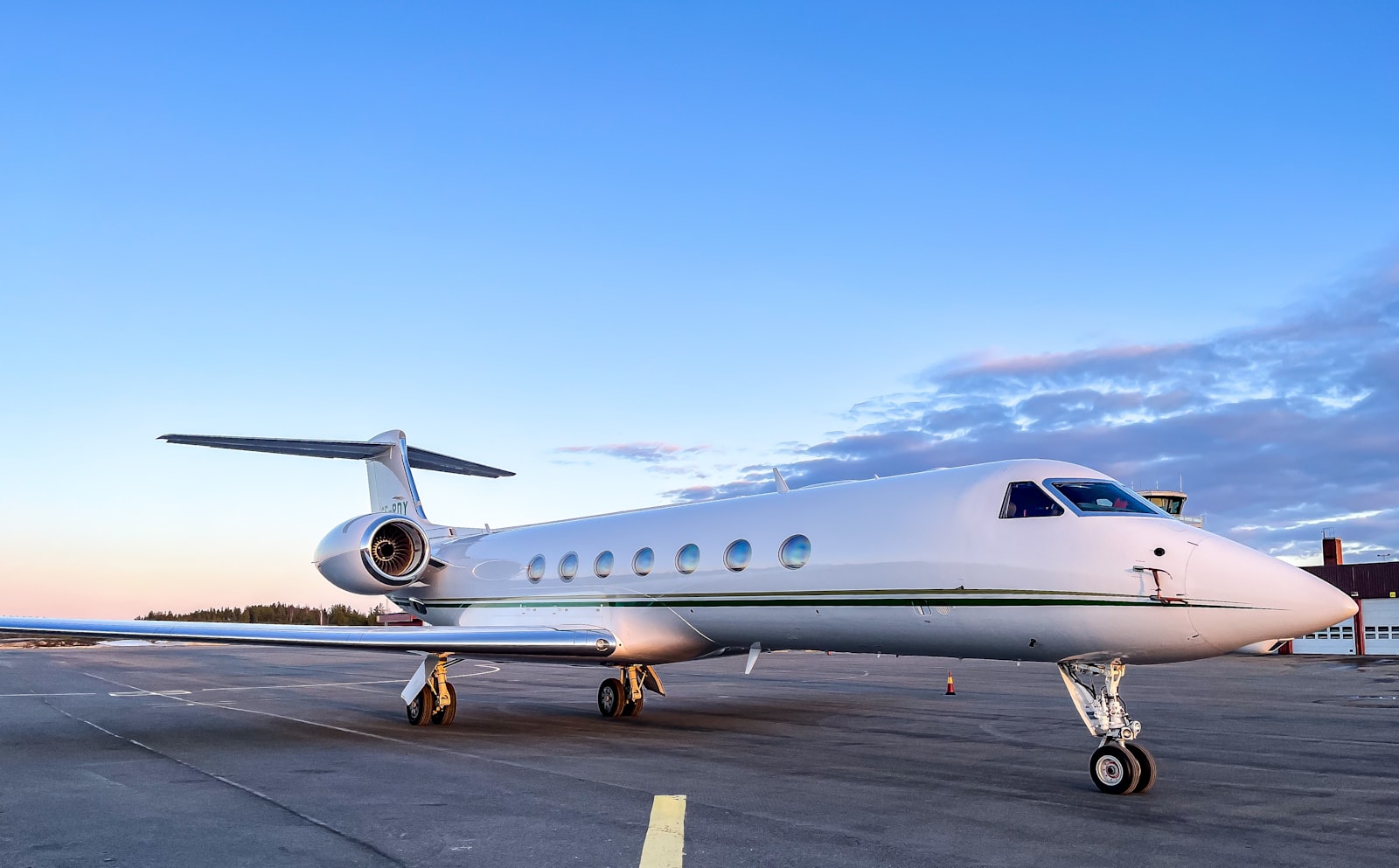
Why this is genuinely a multi-year decision
Fractional shares are typically sold on terms up to 60 months (Flexjet’s stated maximum) with a defined depreciation schedule and a buyback or resale process at the end, not a subscription that simply lapses. Unlike a jet card’s 12-24 month commitment, exiting a fractional share early usually involves a real transaction: selling the remaining term to the provider, to a third party (subject to the provider’s right of first refusal in most contracts), or continuing to pay the monthly management fee until a buyer is found.
The number that actually drives the exit math is the assumed buyback or repurchase value at contract end, and it’s rarely close to what the share cost to acquire. Private Jet Card Comparisons’ own blended-cost modeling for a NetJets fractional share, cited above, builds in a 50% assumed repurchase price, meaning roughly half the original acquisition cost is treated as recoverable at the end of the term and half is treated as a sunk cost amortized into the hourly rate over the life of the share. That’s the single biggest reason a fractional share’s real cost per hour is so much harder to pin down than a jet card’s: the card’s price is the price, but a fractional share’s true cost depends on an assumption about resale value that won’t be confirmed until years after you sign.

Before committing capital, it’s worth pricing the alternatives honestly: a jet card locks a rate with no acquisition cost, and on-demand private jet charter has no fixed monthly fee at all. The charter cost estimator prices the charter side of that comparison.
Where this fits against the alternatives
| Model | Est. cost/hr at this usage | Best fit |
|---|---|---|
| On-demand charter | $5,100/hr | Best under ~25 hrs/yr |
| Jet card | $9,400/hr | Best for predictable 25-50 hrs/yr |
| Fractional share | $5,265/hr | Best once you're consistently over ~50 hrs/yr |
| Membership (flat fee) | $5,338/hr | Buys guaranteed availability, not flight hours |
In the 25-60 hour range, a jet card is usually the practical middle ground: a fixed, published rate with no multi-year commitment, though you pay a premium over raw charter for that predictability.
Modeled comparison, not a quote. Built from a mid-size-jet charter rate and the most fully disclosed jet-card and fractional program figures found in the current market (see fractional ownership cost and jet card cost for sources). Your actual break-even depends on aircraft class, base airport, and the specific program you choose.
Share size, monthly fee, and occupied rate, side by side.