Helicopter · Short-hop transfers, sightseeing, and last-mile connections a jet or turboprop can't make
Helicopter Charter Cost: Hourly Rates By Class
Helicopter charter runs $900-$5,800 an hour depending on class. Light single-engine, light twin, and medium helicopters, priced and compared.
- Hourly range
- $900-$5,800
- Typical seats
- 8
- Rates as of
- October 2026
Honest all-in cost
$900–$5,800/flight hour
Rates as of October 2026. Cross-operator range, not one broker's quote.
- Flight time (2 hrs billed)
- $1,800–$11,600
- Federal Excise Tax (7.5%, 26 U.S.C. §4261)
- $135–$870
- Repositioning, overnight crew, landing/handling fees
- Varies by base and route, not in this sample
- Sample 2-hour flight, all-in
- $1,935–$12,470
Real quotes add repositioning legs, daily minimums, overnight crew fees, fuel surcharges, and international handling where they apply. Operators that quote a bare hourly rate without these are underselling the true cost. Use the full estimator to model your actual trip.
Helicopter charter prices by engine count and cabin class more than by brand, and the spread across the category is wider than anywhere in fixed-wing charter. A light single-engine helicopter like the Robinson R44 runs around $900 an hour on operator-published averages, the cheapest way into private rotary flight. Step up to a light twin-engine aircraft like the Bell 429, and the rate jumps to roughly $4,350 an hour, close to a light jet’s hourly cost despite far less range or speed. A Sikorsky S-76 runs $5,800 an hour on that broker’s aircraft page and about $4,700 on its helicopter overview page.
That jump isn’t really about capability. It’s about the second engine. Twin-engine helicopters carry genuine over-water and congested-airspace safety margin that a single-engine aircraft doesn’t, and operators price that margin in directly. A medium twin like the AW109 Power lands around $4,050 an hour, similar territory to the Bell 429, with a 512-nautical-mile IFR range and a 154-knot cruise that gives it more legroom on a longer positioning leg than either light twin, before its VIP-transport, maritime, and corporate missions even start.
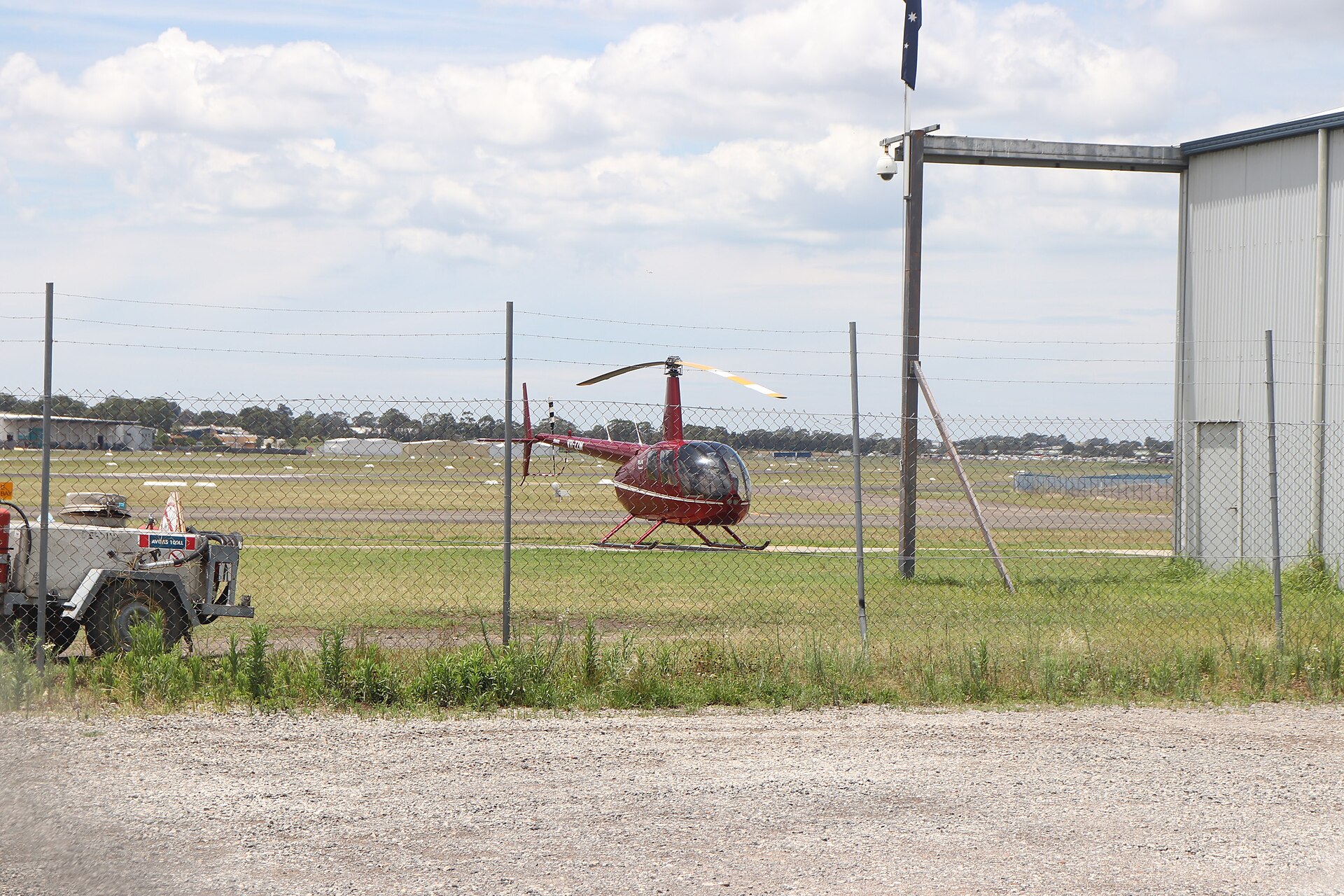
Helicopter charter cost by aircraft
These are Paramount Business Jets’ published average hourly rates, read in October 2026. They’re the most complete public list of helicopter rates by type, and they’re averages, not quotes.
| Helicopter | Average hourly rate | Typical seats | Range |
|---|---|---|---|
| Robinson R44 Raven II | $900 | 3 | 300 nm |
| Eurocopter AS-365-N3 Dauphin | about $2,500 | not listed | 428 nm |
| AW109 Power | $4,050 | 5 | 512 nm |
| AW109 Grand New | $4,050 (aircraft page), about $3,300 (overview page) | 6 | 432 nm |
| Bell 429 GlobalRanger | $4,350 | 5 | 368 nm |
| Sikorsky S-76 | $5,800 (aircraft page), about $4,700 (overview page) | 10 | 404 nm |
The AW109 Grand New row is the honest warning label for this whole table. The same broker lists it at $4,050 an hour on its aircraft page and at around $3,300 an hour on its helicopter overview page. Neither is wrong, exactly; both are rounded averages, and the gap between them is about the size of the difference you should expect between any average and a real quote.
Piston vs. turbine, a distinction most rate sheets skip
The R44 sits at the category’s floor for a specific reason: it runs a Lycoming O-540 piston engine, the same basic technology as a small fixed-wing trainer, not a turbine. That’s most of why it’s the cheapest helicopter you can charter, piston engines are simpler and cheaper to operate than a turboshaft, but it also means a rougher, louder ride and a lower useful load than a turbine single carries. Robinson’s own turbine single, the R66, and comparable light turbine singles like the Airbus H125, close most of that gap: the H125 charters in a roughly $1,500-$2,500-an-hour range on operator-published averages, still well under a light twin, but for a smoother, quieter, higher-payload aircraft than the piston R44. If your trip is a short scenic hop where cost is the only variable, the R44 tier is the right call. If it’s a working charter with real passengers and bags, the turbine-single tier is worth the premium before you jump straight to a twin.

What does a helicopter flight actually cost per trip?
Point-to-point legs without a runway at either end are what the category is for, and the routes that sell most are priced per flight, not per hour. The Manhattan-to-Hamptons corridor is the best-known example in the US. HeliFlite, a Kearny, New Jersey operator, prices a private flight from a downtown Manhattan heliport to any of the metro airports, JFK, LaGuardia, Newark, Teterboro, White Plains and Farmingdale among them, “for as little as $3,300 plus taxes and fees.” Manhattan to the Hamptons starts at $10,300, also plus taxes and fees.
Frequent flyers on that corridor buy prepaid programs instead. HeliFlite’s HeliCard starts at $44,750 and locks in rates for the term of the agreement, and the company says a HeliCard holder can save up to $48,000 against standard charter pricing on Manhattan to East Hampton, depending on the package. HeliFlite says HeliCard members choose from executive, twin-engine, dual-piloted helicopters. It’s the rotary version of a jet card: you trade a deposit for fixed pricing and, in HeliFlite’s words, “guaranteed availability.”
The other common use case is the last mile: getting from a jet’s landing airport straight to a private helipad, a marina, or a venue a fixed-wing aircraft can’t reach. Ski towns lean on this the same way the Hamptons corridor does, a helicopter transfer from a regional airport straight to a resort helipad skips a mountain-road drive entirely during peak season, when that drive is both longest and most weather-exposed. Event charter is a smaller but real slice of the market too, helicopters ferrying guests to a wedding venue, a golf tournament, or a festival site with no useful road access and no interest in a shuttle bus. If your trip genuinely needs a runway-free landing on either end, the aircraft category isn’t really optional the way it is for jets.
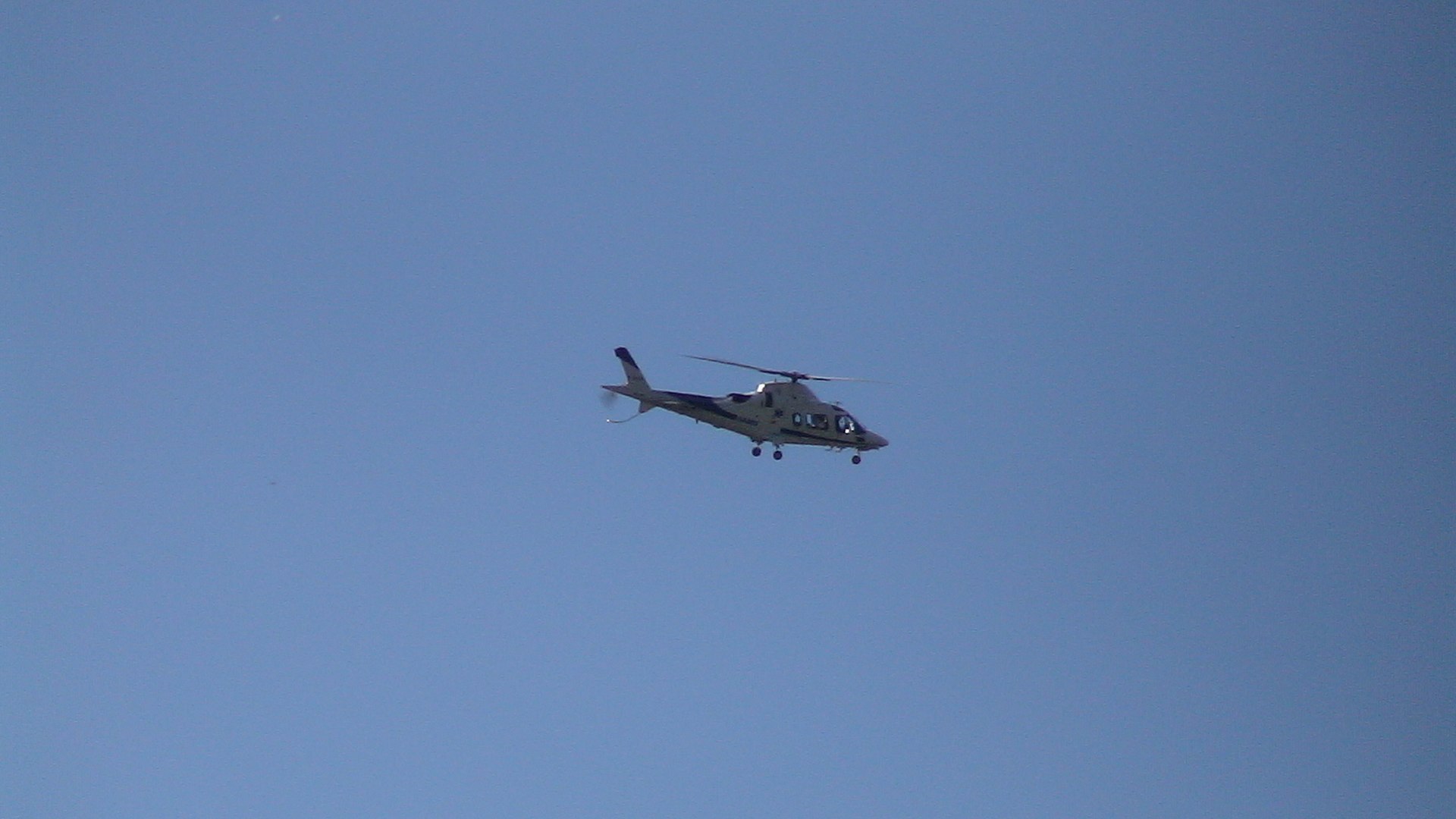
What gets added to the hourly rate?
The hourly figure is where a quote starts. Aspen Helicopters, an operator based in Oxnard, California, publishes the terms that usually ride along with it:
- A three-flight-hour minimum per day “may apply.”
- Aircraft and crew standby time is charged at 10% of the flight rate per crew member.
- Overnight crew per diem is billed at the government’s GSA rate for the location.
- An insurance surcharge of approximately 10% per flight hour, which Aspen attributes to rising commercial aviation insurance costs.
The minimum is the one that changes a short trip most. On a three-hour daily minimum, a one-hour hop in a $4,350-an-hour light twin bills $13,050 before tax, three times the flying. Then the federal taxes, which depend on the helicopter’s weight. The 7.5% federal excise tax in 26 U.S.C. § 4261 and the segment tax that comes with it apply to a charter in a larger helicopter. But 26 U.S.C. § 4281 says those taxes “shall not apply to transportation by an aircraft having a maximum certificated takeoff weight of 6,000 pounds or less,” unless it flies an established line or is a jet, and the statute adds that a rotorcraft is not a jet. A Robinson R44 has a maximum takeoff weight of 2,500 lbs, so an R44 charter falls under that exemption. A Bell 429, at 7,000 lbs, does not. On a taxable flight, the FAA’s 2026 rate sheet adds $5.30 per passenger per segment on top of the 7.5%.
Reading the published rates honestly
Several operator-published averages in this category (including the ones cited above) present a single “average hourly rate” without a stated collection date or methodology, which reads more like a templated industry estimate than a live market quote. Treat these figures as directional rather than a locked quote, and always ask for a specific flight or route quote before booking, since Manhattan-Hamptons-style routes are often priced per-seat or per-flight rather than by the hour. Ask whether the quote includes positioning, the daily minimum, the insurance surcharge and the excise tax, because those four lines are where two quotes for the same aircraft most often differ.

Helicopters solve the last mile a fixed-wing aircraft can’t, but for anything past a short hop the economics belong to a turboprop or a light jet. Both categories, and the fee lines that come with them, are priced straight in the charter cost estimator and on the hourly rate by aircraft class page. If you fly the same route often enough to think about a program rather than single trips, the private jet membership cost page compares what those commitments cost.
Priced against the real hourly range, not one operator's number.