Jet card
Jet Card Cost: What Programs Actually Charge in 2026
Jet cards run $7,300-$9,400 an hour with $175,000-$235,000 minimum buy-ins. Real published rates from Sentient, NetJets, Flexjet, and NICHOLAS AIR.
- Typical hourly
- $8,300/hr
- Initiation
- $200,000
- Pricing as of
- July 2026
Published program figures
- Typical hourly rate
- $8,300/hr
- Initiation / deposit
- $200,000
- Minimum commitment
- 25 hrs
- Rough break-even vs charter
- 25-50 hrs/yr vs on-demand charter
Pricing as of July 2026. Figures cited from published program pages, not a single sales quote.
Named neutrally, not endorsed: Sentient Jet, NetJets, Flexjet, NICHOLAS AIR.
A jet card is a prepaid block of flight hours, commonly 25, purchased at a fixed hourly rate that stays locked for the card’s validity period (usually 12 to 24 months). It’s not fractional ownership, you don’t own any part of an aircraft, and it’s not on-demand charter, you’re not shopping the spot market for every trip. It’s closer to buying a large gift card for private flight time: you pay upfront, the rate is set, and the provider guarantees availability within a stated notice window.
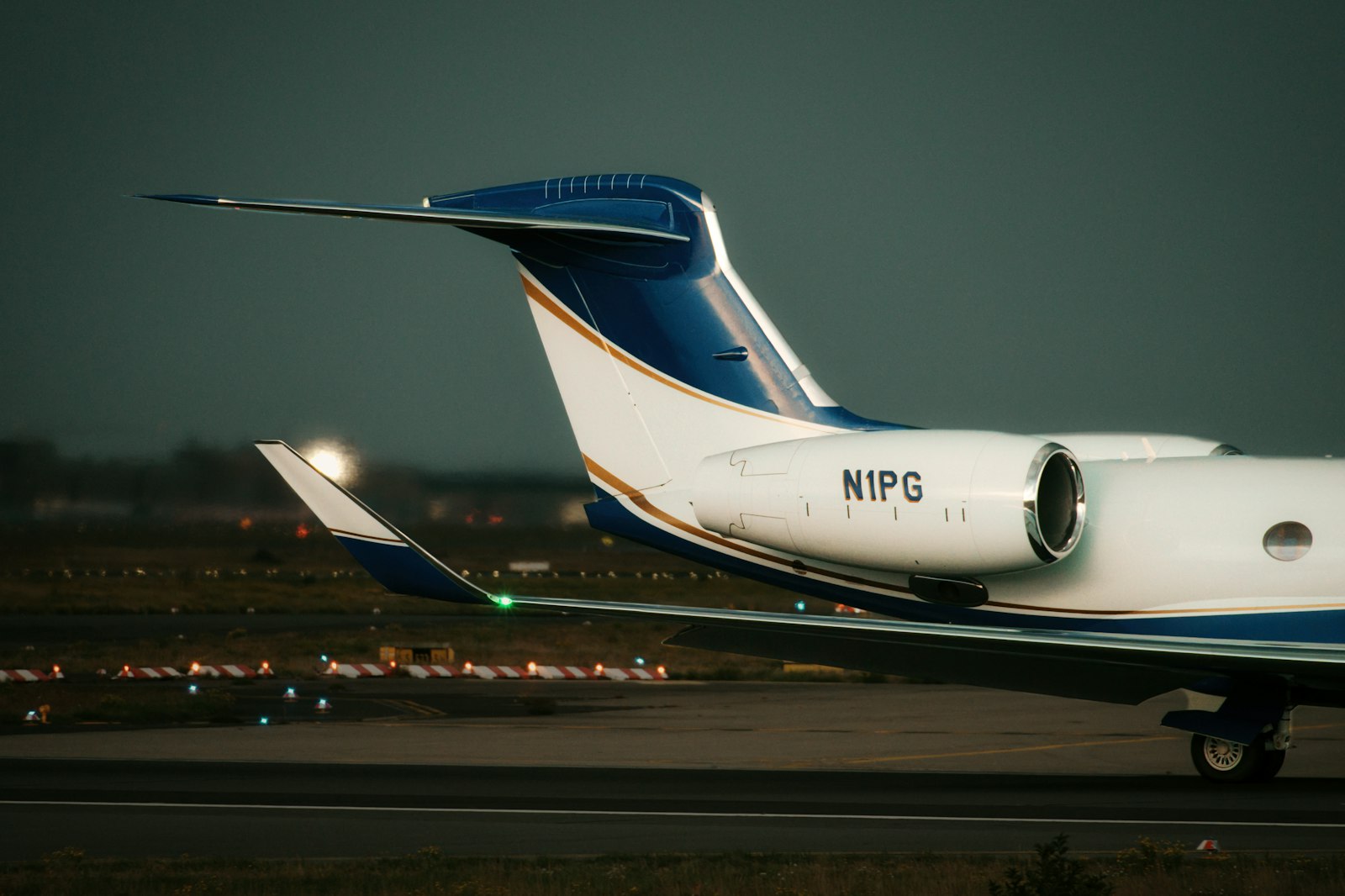
Sentient Jet runs two published tiers: SJ25 (light jet) at $7,324 an hour, $183,100 for the 25-hour minimum; SJ25+ (mid, super-mid, and large cabin access) at $9,431 an hour, $235,850 for 25 hours. Flexjet’s comparable light-jet card runs $7,937 an hour, $198,425 for 25 hours, plus the federal excise tax on top. NetJets’ Card275 program (NetJets sold its card as the Marquis Jet Card until 2021), priced against a Phenom 300, runs $8,600 an hour for 25 hours ($215,000 total), valid for 24 months, with 90 blackout days a year built into the contract, dates the card can’t be used, typically clustered around major holidays when charter demand (and pricing) spikes hardest. NICHOLAS AIR’s Phenom 100 card runs $7,972 an hour with a 15-hour or $200,000 minimum, and the company also offers deposit-based tiers (RISE, from $200,000 to $1 million) and hour-based tiers (BLUE, 15 to 100 hours) for buyers who want a different commitment shape than a flat 25-hour card.
Two more programs worth knowing, because they price the entry point differently than the four above. Air Partner’s JetCard starts smaller: a 10-hour light-jet entry tier at $7,900 an hour ($79,000 total), with the standard 25-hour light-jet card at $7,900 an hour as well ($197,500), and a midsize tier around $9,600 an hour for 25 hours. Air Partner is also, since a 2022 acquisition, a Wheels Up Experience brand, worth knowing if you’re comparing the two thinking they’re fully independent competitors. Wheels Up itself runs a different structure entirely: instead of a flat prepaid hour block, it combines an $8,500 annual membership fee with a $100,000 prefunded flight deposit, then bills flights against that deposit at capped rates starting around $7,395 an hour for light jets and roughly $5,995-$7,795 an hour on its King Air 350 turboprop tier (Wheels Up has announced it’s shifting turboprop pricing off guaranteed caps to fully dynamic rates for new trips starting in 2026, so confirm current terms before buying). The $100,000 minimum outlay is meaningfully lower than the $183,000-$235,000 the big four cards require, which matters if you want jet-card-style rate predictability without the larger upfront commitment.
Why the rate runs up to double spot charter
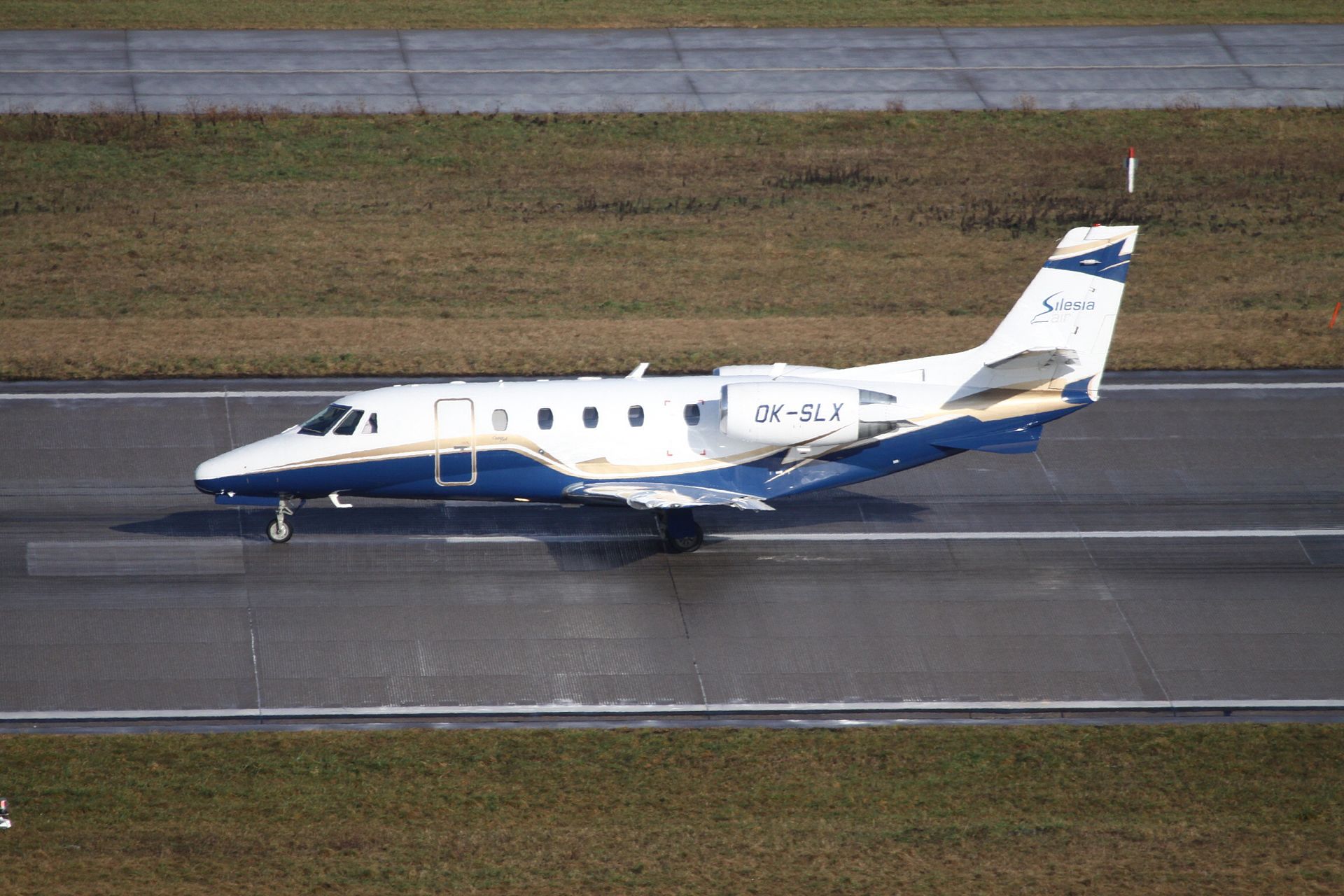
A midsize jet’s on-demand charter rate sits around $4,700-$5,500 an hour (see midsize jet charter cost); jet card programs pricing similar aircraft run closer to $8,000-$9,400, roughly one and a half to two times as much. That’s not a markup for the same product, it’s a different product. The card rate is fixed regardless of demand spikes, weather-driven repositioning premiums, or peak-season surges that hit spot charter pricing hard. It also buys guaranteed availability, typically a short callout window (as little as a few hours on some programs), something spot charter can’t promise when every operator’s fleet is booked around a holiday weekend.
That premium is getting more expensive to skip, not less. Private Jet Card Comparisons’ own market tracking shows jet card pricing running roughly 29% above pre-pandemic 2019 levels as of Q1 2026, with daily minimum billing up 11.6% quarter over quarter and the standard non-peak callout window stretching to nearly 67 hours, up 7% in a single quarter. Read plainly: providers are pricing in more caution around short-notice, marginal-length trips, which is exactly the kind of flying a jet card is supposed to smooth over. The rate-lock is worth more in a tightening market than a loosening one.
The market-wide picture, by aircraft category
The programs above are useful anchors, but they don’t cover every class. Private Jet Card Comparisons tracks jet card pricing market-wide across dozens of providers; its Q1 2026 averages by category:
| Class | Average hourly rate |
|---|---|
| Turboprop | $6,729 |
| Very light jet | $7,852 |
| Light jet | $8,563 |
| Midsize jet | $9,639 |
| Super-midsize jet | $12,444 |
| Large cabin jet | $15,612 |
| Ultra long-haul jet | $19,301 |
Includes base rate, fuel surcharge, and the 7.5% federal excise tax. Market average excluding turboprops: $11,426/hr.
Notice the turboprop jet-card rate, $6,729 an hour, runs roughly two to three times the $2,300-$3,500 an hour turboprop spot-charter rate (see turboprop charter cost). That gap is wider than at the jet end of the market, which tracks with why jet cards are pitched hardest at light-jet-and-up buyers: the rate-lock premium is proportionally smaller relative to the base rate the higher up the class ladder you go.
Where a jet card actually wins
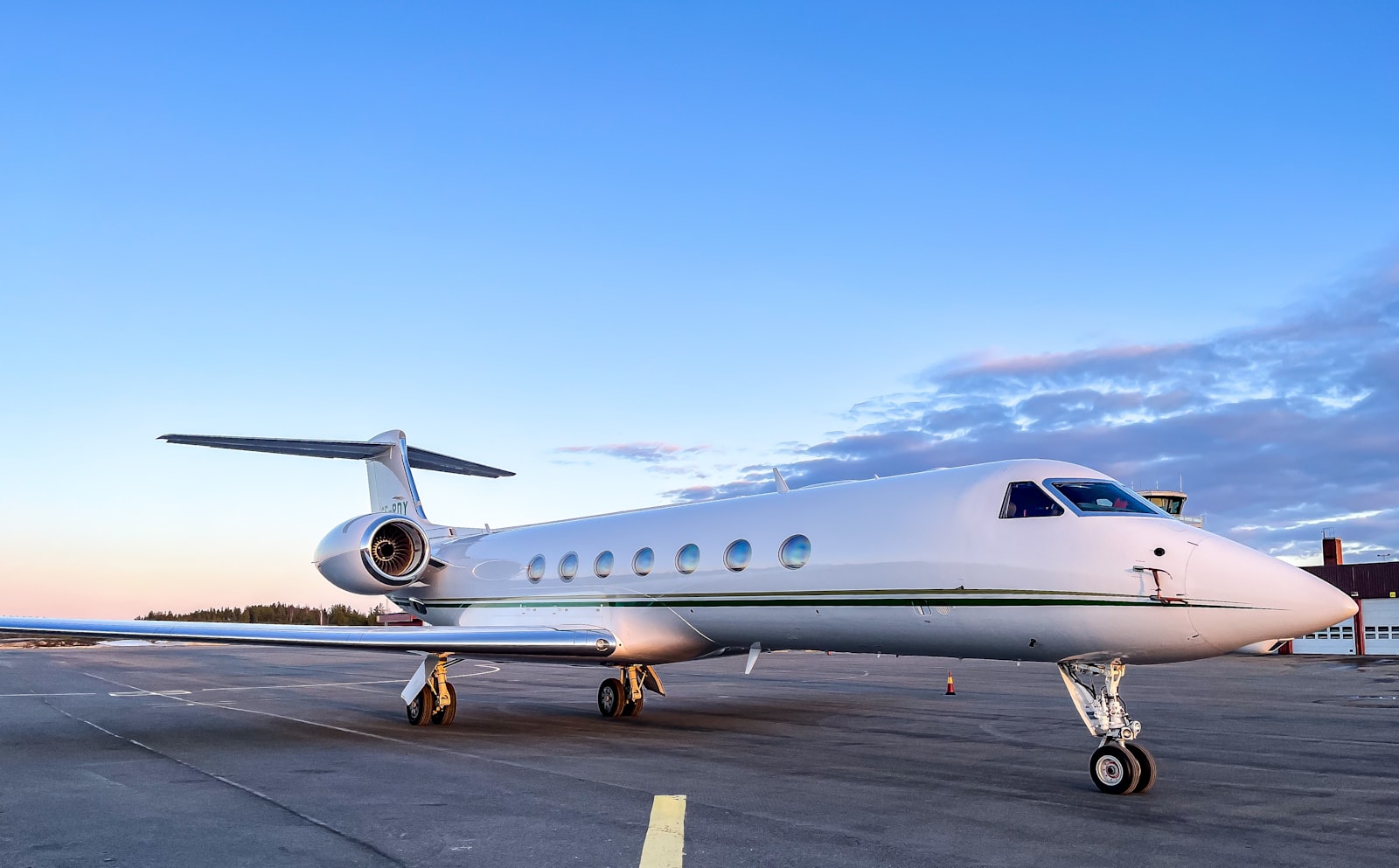
Between roughly 25 and 50 flight hours a year, a jet card is usually the practical middle ground. Below 25 hours, the fixed cost of the card outweighs its rate-stability benefit, and on-demand charter is simpler and cheaper. Above 50-60 hours a year, fractional ownership’s blended cost (see fractional jet ownership cost) usually beats a jet card’s per-hour rate, assuming you can commit to the multi-year term fractional ownership requires.
Within that 25-50 hour band, the choice between programs often comes down to how predictable your travel dates are, not just how many hours you fly. A buyer whose trips cluster around holidays needs to check blackout dates closely (NetJets excludes 90 days a year); a buyer who wants rate certainty without a six-figure prepaid block is better served by Wheels Up’s deposit structure than a traditional 25-hour card. The published hourly rate is the headline number, but the contract terms around it, blackout dates, callout windows, and how the deposit or hour block actually gets consumed, decide whether a specific card fits a specific travel pattern.
Where this fits against the alternatives
| Model | Est. cost/hr at this usage | Best fit |
|---|---|---|
| On-demand charter | $5,100/hr | Best under ~25 hrs/yr |
| Jet card | $9,400/hr | Best for predictable 25-50 hrs/yr |
| Fractional share | $5,265/hr | Best once you're consistently over ~50 hrs/yr |
| Membership (flat fee) | $5,338/hr | Buys guaranteed availability, not flight hours |
In the 25-60 hour range, a jet card is usually the practical middle ground: a fixed, published rate with no multi-year commitment, though you pay a premium over raw charter for that predictability.
Modeled comparison, not a quote. Built from a mid-size-jet charter rate and the most fully disclosed jet-card and fractional program figures found in the current market (see fractional ownership cost and jet card cost for sources). Your actual break-even depends on aircraft class, base airport, and the specific program you choose.
See published rates side by side before you call anyone.