Private Jet Cost to Aspen
Aspen's short, high-altitude runway limits which aircraft can even land there. What that does to the cost, and why a bigger jet isn't always an option.
- Typical seats
- 8
- Typical mission
- Restricted by Aspen-Pitkin County's short, high-altitude runway
Honest all-in cost
$4,700–$7,500/flight hour
Rates as of October 2026. Cross-operator range, not one broker's quote.
- Flight time (2 hrs billed)
- $9,400–$15,000
- Federal Excise Tax (7.5%, 26 U.S.C. §4261)
- $705–$1,125
- Repositioning, overnight crew, landing/handling fees
- Varies by base and route, not in this sample
- Sample 2-hour flight, all-in
- $10,105–$16,125
Real quotes add repositioning legs, daily minimums, overnight crew fees, fuel surcharges, and international handling where they apply. Operators that quote a bare hourly rate without these are underselling the true cost. Use the full estimator to model your actual trip.
Flying private into Aspen in a midsize or super-midsize jet runs about $4,700-$7,500 an hour, which works out to roughly $9,400-$15,000 in flight time on a typical 2-hour leg before fees. But the number is the least interesting part of this route, because Aspen is where the aircraft class decision gets made for you before cost even enters the conversation.
Aspen-Pitkin County Airport sits at 7,820 feet elevation with a single runway, 8,006 feet long, sloping roughly 2% uphill to the southeast; most pilots land on Runway 15, the upslope direction, for that reason. Thin air at that altitude cuts engine thrust and wing lift before terrain even enters the picture, and the airport is boxed in tightly enough on approach that a missed approach or go-around isn’t the routine maneuver it is at a flatland airport. That combination rules out the biggest, most expensive aircraft categories, and it’s not just a matter of pilot skill or approach certification.
The actual rule, not just the runway
Pitkin County Code bars any aircraft with a wingspan over 95 feet or a maximum gross landing weight over 100,000 pounds (160,000 on dual-tandem landing gear) from operating at ASE at all, a limit the FAA approved in 1999 in exchange for the county’s commitment to keep larger aircraft out, since the airport’s layout can’t otherwise meet standard runway-separation design standards. That’s a legal ceiling, not a performance judgment call, and it catches aircraft that might otherwise look like a reasonable fit. A Gulfstream G650, at 99 feet 7 inches of wingspan, is barred outright, not because it lacks the power or a qualified crew, but because it’s four and a half feet over the county’s hard limit. A Bombardier Global 7500, at nearly 105 feet, misses by almost ten. That’s the real reason Aspen charter inventory tops out around super-midsize: heavy and ultra-long-range jets aren’t disqualified by pilot skill, they’re disqualified by county code.
What’s left is turboprops, light jets, midsize jets, and select super-midsize aircraft that fit inside the wingspan and weight limits and carry the short-field performance the runway demands. Within that range, cost follows the same category math as anywhere else, but layered with Aspen-specific premiums: a single FBO with correspondingly less price competition, seasonal surcharges during peak ski weeks (Christmas through New Year’s, President’s Day week), and landing fees that run higher than a comparable flatland regional airport.
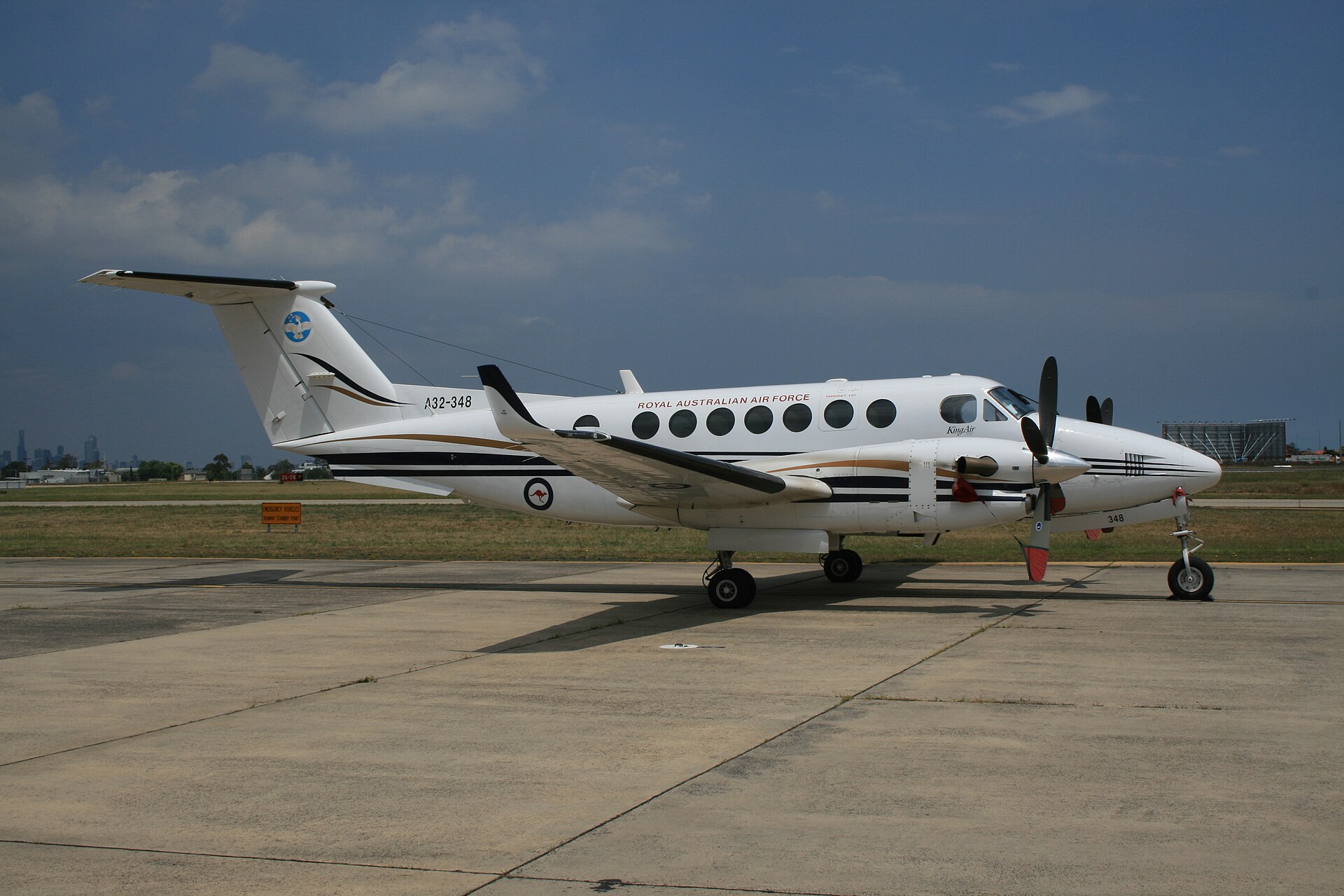
Thin air keeps shaping the flight, even for aircraft that qualify
Field elevation never changes, but density altitude does, and it’s the number that actually determines how much runway and payload margin a crew has to work with. On a calm, cool spring morning, Aspen’s own pilot guidance puts density altitude around 9,555 feet; by a hot mid-summer afternoon, that climbs past 11,000 feet, air thin enough that even a light jet with plenty of engine loses real climb performance. That’s part of why a summer afternoon departure sometimes flies with a fuel stop or a lighter passenger and bag load than the same aircraft would carry off a sea-level runway, and it’s a legitimate question to ask an operator quoting a peak-summer or peak-altitude trip: is the quote assuming full fuel and full payload, or did they already build in a weight trade for the conditions?
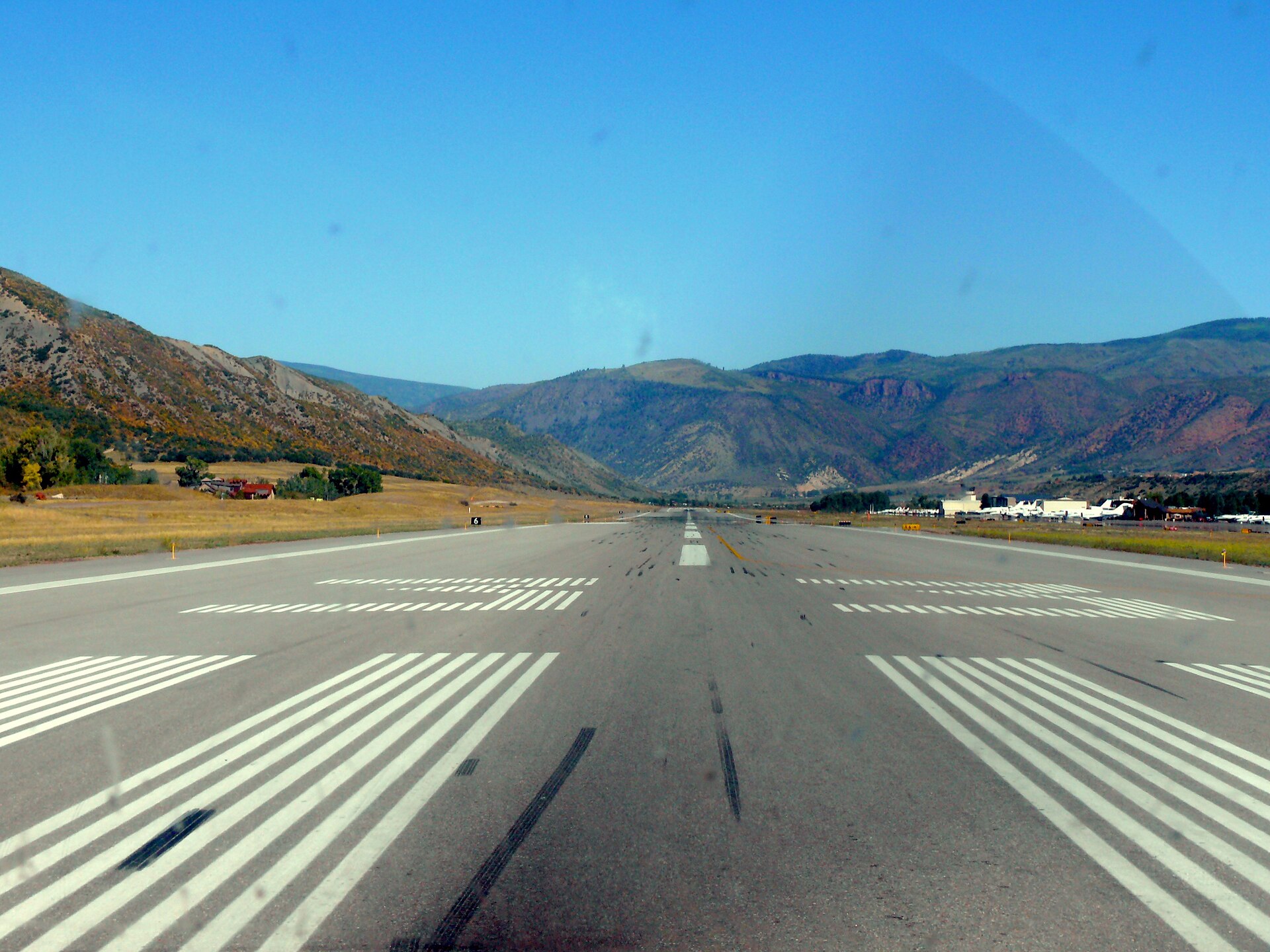
The diversion risk that changes the real cost
Weather closes Aspen’s visual approach more often than most travelers expect, especially in winter. When it does, flights divert to Eagle County (Vail, roughly 45 minutes away by car) or Rifle-Garfield County, further out. A responsible quote accounts for this possibility; ask directly whether the operator has a standard diversion protocol and whether ground transportation from an alternate airport is included or an added cost.
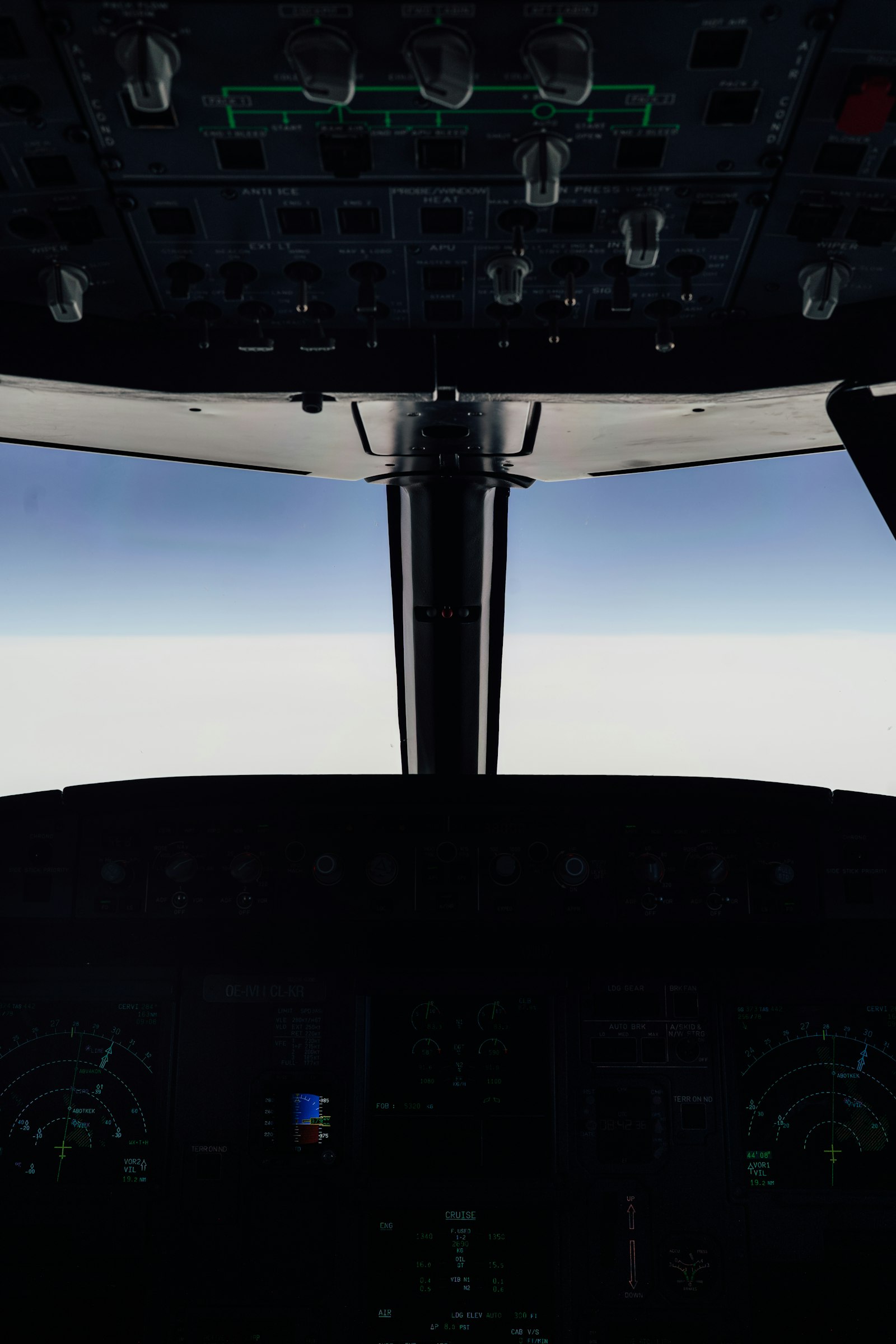
A curfew that can turn a late flight into an overnight
Aspen also runs a hard noise curfew on top of everything else. Stage III aircraft, the noise category nearly every business jet in charter service falls into, can’t arrive between 11 p.m. and 7 a.m. or depart after 10:30 p.m.; Stage I aircraft are barred at any hour. Miss the arrival window on a return leg and the options are limited: hold somewhere else until morning, divert to the same Eagle County or Rifle-Garfield alternates weather already forces flights to on occasion, or eat a schedule the operator should have flagged as tight in the first place. If your return leg has any real chance of running late, ask the operator directly how they handle a curfew miss, before you book, not after you’re circling.

The honest booking math
Beyond the hourly rate for your aircraft class, budget for Aspen’s FBO and landing fees running above a typical regional airport, a seasonal surcharge if you’re flying during a peak week, and the 7.5% federal excise tax on the whole trip. Book earlier than you would for a routine destination; the combination of a hard wingspan limit, runway length, and seasonal demand means the pool of aircraft that can even take the job is smaller than at most destinations, and it compresses further during peak weeks.
The aircraft decision drives this trip’s cost more than the route does. A turboprop is the category that copes best with the runway and the altitude, and a light jet is the realistic jet floor here. Price your actual dates with the charter cost estimator, or compare every category on the hourly rate by aircraft class page.
Priced against the real hourly range, not one operator's number.