Turboprop Charter Cost: What It Actually Runs Per Hour
Turboprop charter runs $2,300-$3,500 an hour, the cheapest way into private aviation. Here's what that buys, what it doesn't, and where it stops making sense.
- Typical seats
- 8
- Range
- 1,974 nm
- Typical mission
- Short regional hops under 2 hours
Honest all-in cost
$2,300–$3,500/flight hour
Rates as of October 2026. Cross-operator range, not one broker's quote.
- Flight time (2 hrs billed)
- $4,600–$7,000
- Federal Excise Tax (7.5%, 26 U.S.C. §4261)
- $345–$525
- Repositioning, overnight crew, landing/handling fees
- Varies by base and route, not in this sample
- Sample 2-hour flight, all-in
- $4,945–$7,525
Real quotes add repositioning legs, daily minimums, overnight crew fees, fuel surcharges, and international handling where they apply. Operators that quote a bare hourly rate without these are underselling the true cost. Use the full estimator to model your actual trip.
A turboprop is the entry point into private aviation, and the entry point is cheaper than most people assume. $2,300 to $3,500 an hour puts a two-hour regional hop in the $4,600-$7,000 range before tax and fees, which is real money but well under what the same trip costs in a midsize jet. It’s cheaper than the next category up too: light jets run $2,900-$4,600 an hour, so a turboprop runs roughly 20-25% less.
The aircraft that fill this category, King Air 350s mostly, along with a scattering of Pilatus PC-12s and TBM series singles, aren’t slow so much as they’re low. Turboprops cruise in the mid-200s to low-300s knots, typically below 30,000 feet, where weather is rougher and fuel burn per mile is higher than a jet flying above the clouds at 40,000 feet and 450+ knots. Below about 500 miles, that difference barely registers on total trip time, and the turboprop’s lower hourly rate usually wins. Past 800 or 900 miles, a jet starts pulling ahead by 30 minutes or more, and by 1,500 miles you’re often looking at a fuel stop the jet wouldn’t need. Charter turboprops range from about 1,100 to 1,970 nautical miles depending on the model: New York to Denver, 1,413 nautical miles, is within reach of the longer-legged ones, and New York to Los Angeles isn’t happening without a stop.
Seating runs 4 to 8 in a typical layout and up to 11 in the largest, cabins are unpressurized-feeling in the sense that they’re narrower and lower than a jet’s, and the daily minimum flight-time billing (commonly 2 hours) means a 45-minute hop still gets billed as if it took two hours. That minimum matters more on turboprops than on jets, because the aircraft is more often used for exactly the kind of short hop the minimum penalizes.
The three aircraft, and they’re not interchangeable
“Turboprop” covers three genuinely different airplanes, and which one shows up for your trip changes the flight, not just the paint job.
Beechcraft King Air 350. The workhorse of the category and the most common turboprop on charter certificates, priced around $2,600 an hour. Twin Pratt & Whitney Canada PT6A-60A engines, 8 seats in a typical double-club layout (11 max), a 19.6-foot cabin, and a 1,806-nautical-mile range at 310 knots true airspeed. The second engine isn’t just backup power, it’s why the King Air is the default pick for charter brokers and corporate flight departments that apply a two-engine standard to their bookings, a common policy even though it isn’t an FAA requirement for this class.
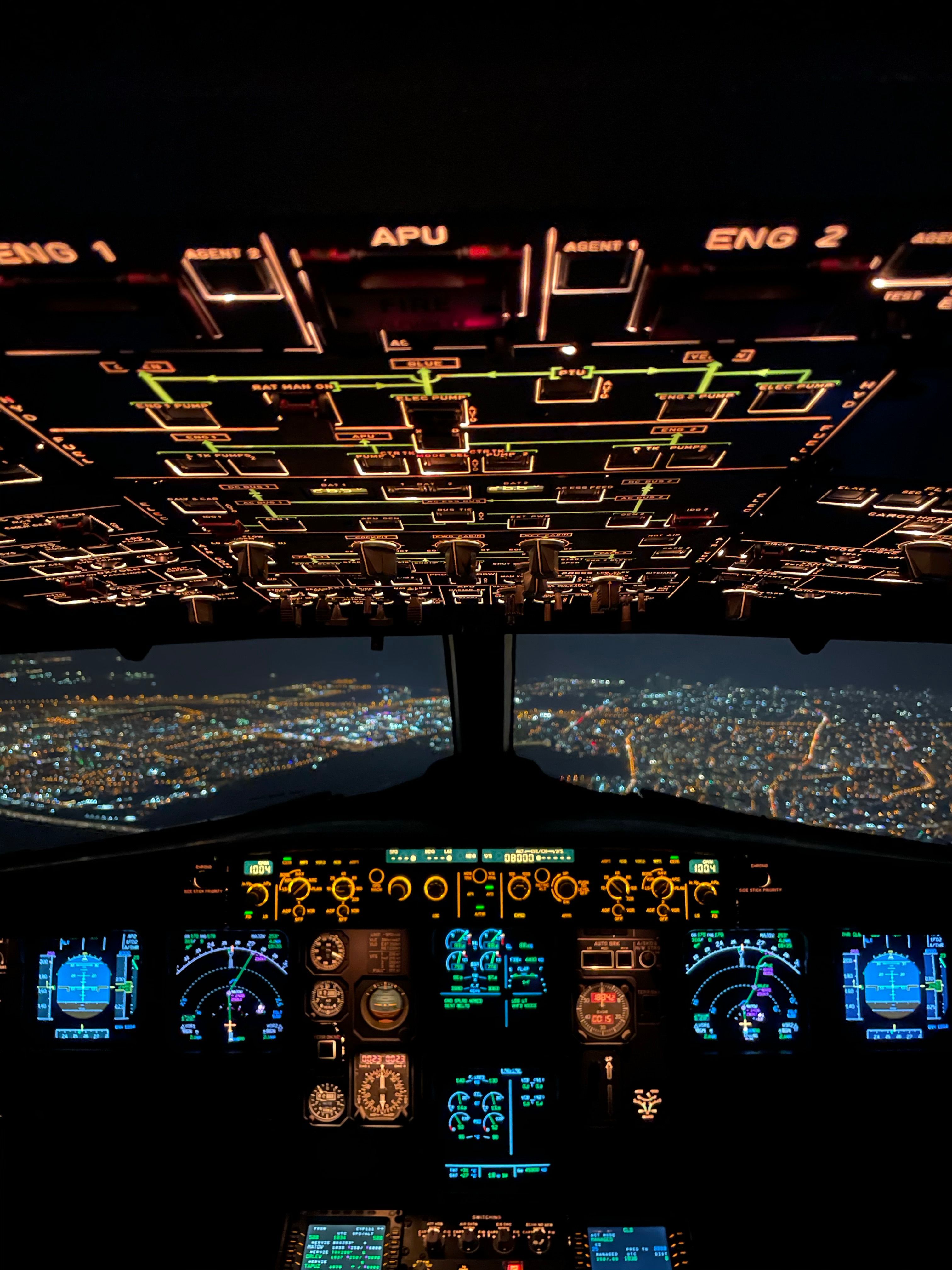
Pilatus PC-12. A single-engine turboprop that Paramount now prices the same as the King Air, around $2,600 an hour, so the choice between them is about the airplane, not the rate: 1,642 nautical miles at 290 knots, seating 8 in a typical layout and up to 9. What the PC-12 gives up in engine redundancy it makes up in short and unpaved-field performance, a 1,475-foot takeoff distance and a reputation for handling grass strips and gravel that twin-engine aircraft generally avoid. It’s certified for single-pilot operation, though most charter operators fly it two-pilot anyway to match the safety expectations of paying passengers.
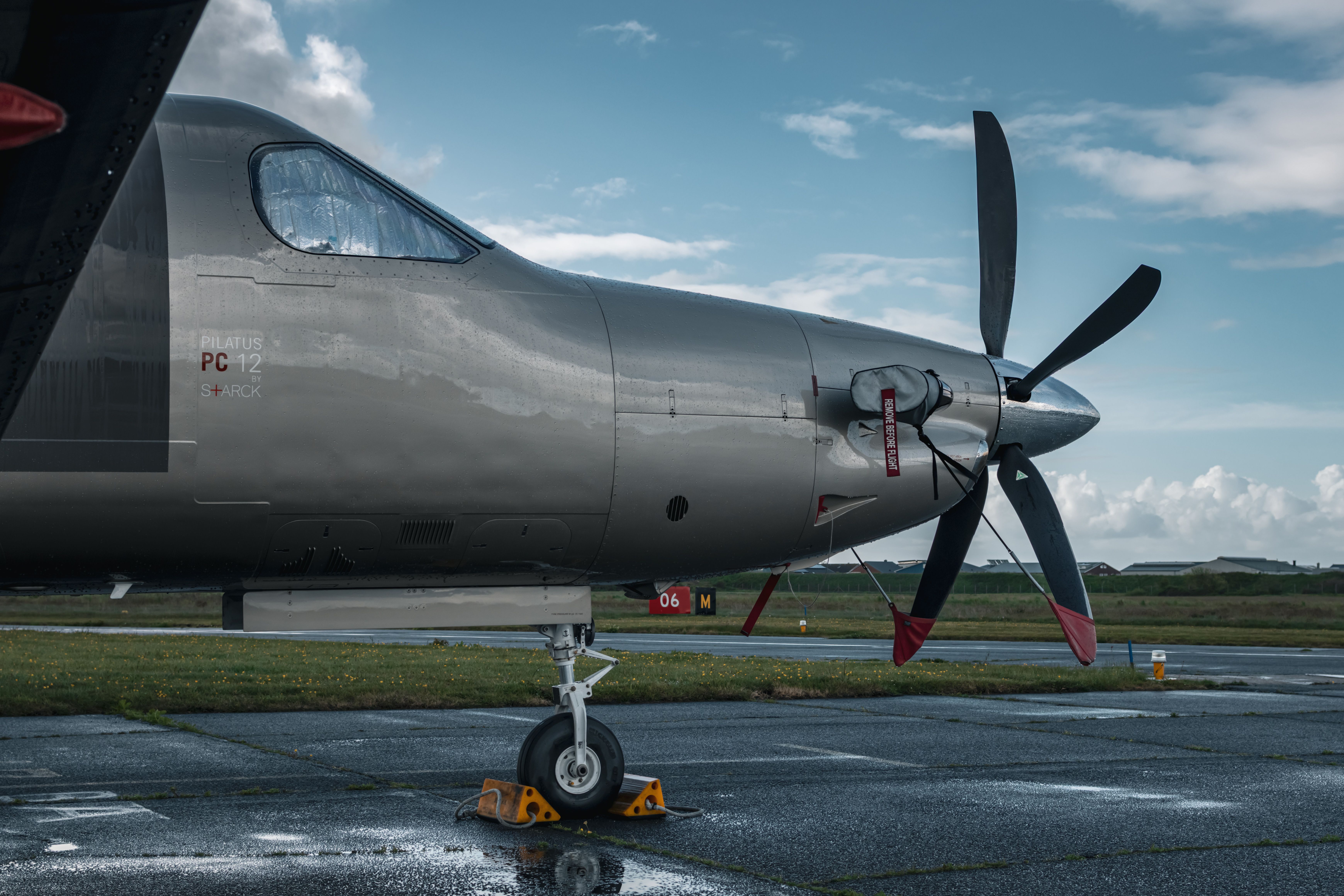
Daher TBM 940. The fastest airplane in this category by a wide margin, cruising at 330 knots, genuinely closer to a light jet’s speed than to the other two turboprops here. That speed carries a small premium: Mercury Jets prices the TBM 940 around $2,700 an hour, $100 above the King Air and PC-12 and still under where light jets start ($2,900-$4,600, see light jet charter cost). Range runs 1,730 nautical miles, seating tops out around 6. If the mission is a fast, short-runway-capable single-pilot trip and the budget can absorb the premium, the TBM is the newest avionics and the quickest cabin-to-cabin time of the three; if the mission is pure cost efficiency, the PC-12 and King Air 350 both undercut it, though only by about $100 an hour.
Where the turboprop actually wins
Short-runway access is the real differentiator, not price. King Air 350s and PC-12s land on strips that midsize and heavy jets can’t touch, grass strips, short private airfields, high-altitude mountain airports. If the destination is a 3,000-foot runway near a ski town or a ranch, the aircraft category isn’t really a cost decision at all; it’s the only category that can make the landing.
The honest all-in number
Add the 7.5% federal excise tax to any quoted hourly figure (26 U.S. Code Section 4261), and expect a repositioning charge if the operator’s nearest aircraft isn’t based near your departure airport. Turboprops are more likely than jets to be based at smaller regional airports rather than major hubs, which cuts both ways: sometimes it means the aircraft is already close to a rural origin point, sometimes it means a longer repositioning leg from wherever it last flew.
Where it sits on the ladder: a light jet costs roughly 25-30% more an hour and buys altitude and speed this category can’t reach, which starts paying for itself past about 600-800 miles. Run your actual trip through the charter cost estimator, or see every class side by side on the hourly rate by aircraft class page.
Priced against the real hourly range, not one operator's number.