Air Charter Cost: Jet and Helicopter Rates Compared
Air charter spans helicopters at $900 an hour to ultra-long-range jets past $23,000. What actually determines the number, across every category.
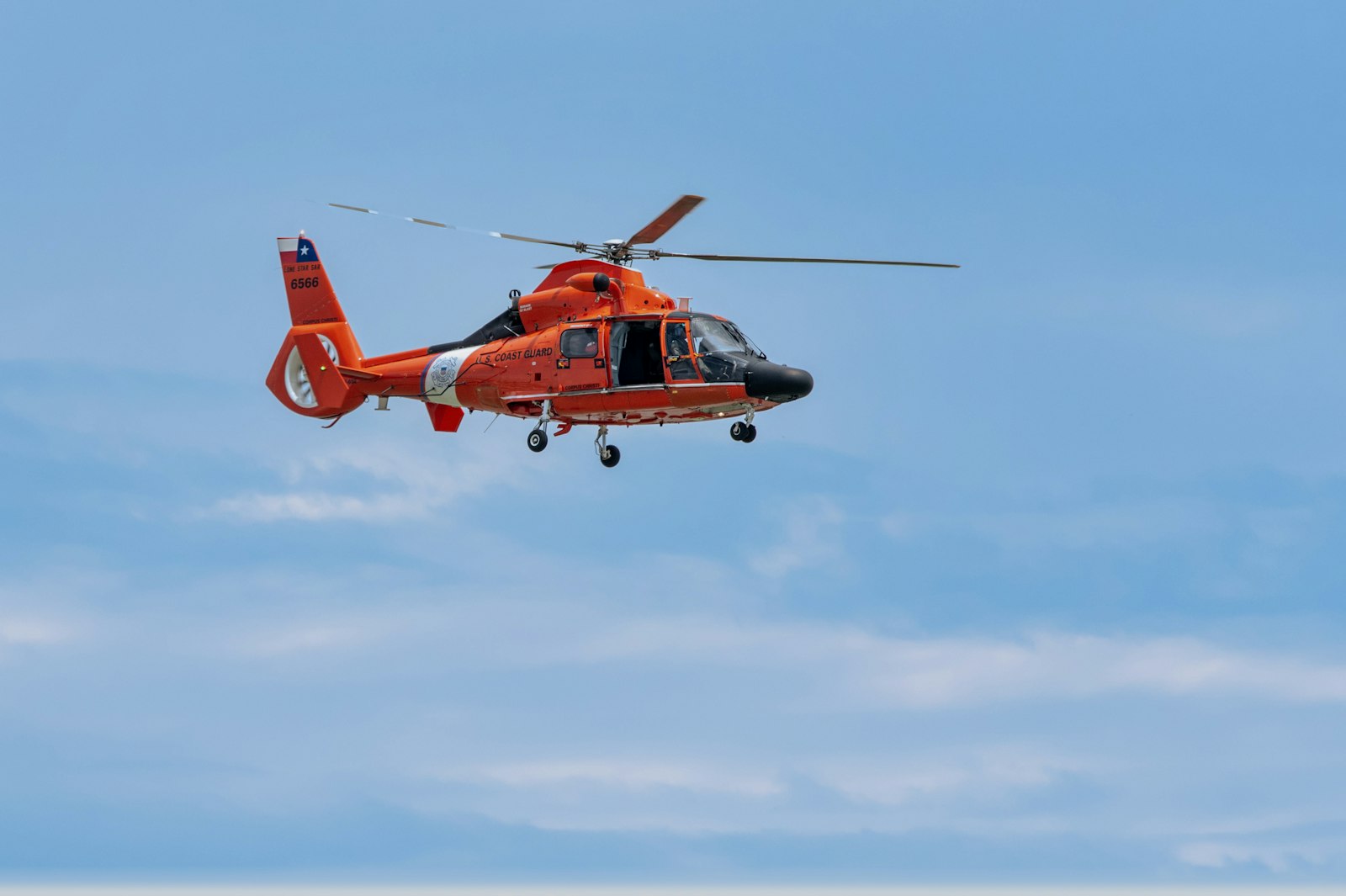
“Air charter” is the umbrella covering both fixed-wing (jets, turboprops) and rotary-wing (helicopter) charter, and the price range under that umbrella is enormous: a light single-engine helicopter at roughly $900 an hour on the low end, an ultra-long-range jet past $23,000 an hour on the high end.
The two categories don’t compete, they solve different problems
Jets buy speed, range, and altitude. A midsize jet clears 2,000 nautical miles at 450+ knots, above most weather. Helicopters buy point-to-point access without a runway: the Manhattan-to-Hamptons corridor, a helipad-to-helipad transfer, a last-mile connection from an airport straight to a venue. Neither replaces the other; they’re solving different logistics problems.
Rate comparison at a glance
| Category | Hourly rate |
|---|---|
| Light single-engine helicopter | ~$900 |
| Light twin-engine helicopter | ~$4,350 |
| Medium helicopter | ~$4,050 |
| Turboprop | $2,000-$2,300 |
| Light jet | $2,750-$3,500 |
| Midsize jet | $4,000-$4,750 |
| Super-midsize jet | $5,100-$6,500 |
| Heavy jet | $7,200-$14,000 |
| Ultra-long-range jet | $16,000-$23,000+ |
See the full helicopter charter cost and private jet charter cost pages for sourcing and detail.
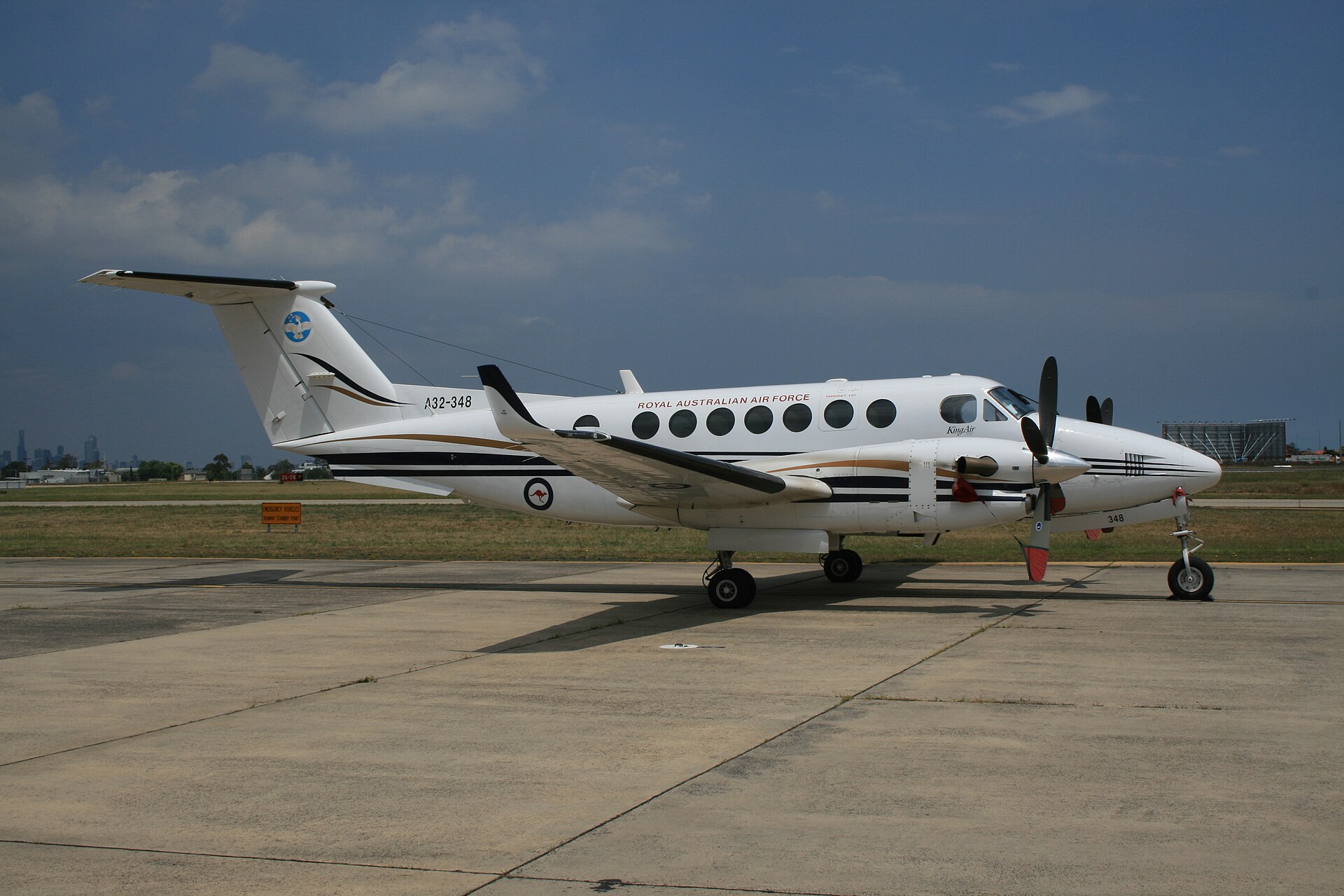
Helicopter charter beats jet charter at the very low end. A light single-engine helicopter runs about $900 an hour against a turboprop’s $2,000 to $2,300. That gap closes fast, though: a light twin-engine helicopter in the Bell 429 class runs $4,050 to $4,350 an hour, in line with a midsize jet, despite carrying far less range and speed. The premium buys a second engine’s safety margin, not extra capability, which is why serious operators fly twins over water or through congested airspace regardless of the higher hourly cost.
At the top of the helicopter market sits the Sikorsky S-76, a twin-engine VIP helicopter Paramount prices at $5,800 an hour, above even the midsize jet band, with 10 typical seats and a 404 nautical mile IFR range. That range number is the tell: helicopters, even the best ones, are not a distance tool. A 404 nautical mile range on an aircraft costing more per hour than a Citation Latitude only makes sense for the specific jobs a jet can’t do, landing at a helipad, a private estate, or a venue with no runway at all.
How you actually book it
Everything above assumes on-demand charter, calling an operator or broker for a specific trip. Two other access models change the math. A jet card is a prepaid block of hours on a specific aircraft category, guaranteeing availability and a locked rate in exchange for paying upfront; it trades flexibility in aircraft choice for price certainty and guaranteed lift during high-demand periods when on-demand charter gets scarce. Fractional ownership goes further, buying a legal share of a specific tail number with guaranteed access hours, monthly management fees, and an occupied-hourly rate on top, a structure most operators and buyer’s guides put the real breakeven for at somewhere around 100-150 flight hours a year. Below that, on-demand charter is consistently the cheaper and more flexible option.
Empty legs are the fourth option and the one most worth knowing about if your dates are flexible. When an aircraft has to reposition for its next paying booking anyway, operators discount that leg rather than fly it for nothing, with savings running 30-75% off standard charter rates depending on how close to departure the seat is offered. The tradeoff is fixed timing: you take the aircraft’s route and schedule, not the other way around, and the deal disappears if the paying flight generating it changes or cancels.

Why rates and availability move month to month
Charter isn’t priced in a vacuum; it moves with actual flight activity. ARGUS TraqPak, the industry’s standard activity tracker, reported April 2026 North American business aviation flight activity up 3.5% year over year, with fractional programs the standout at 13% growth and Part 135 on-demand charter, the category most of this site covers, up 4.5%. Small cabin jets and turboprops led aircraft-size gains at roughly 7.9% and 5.2% respectively, while large cabin jet activity actually declined 5.8% the same month. When activity climbs in a category, expect availability to tighten and last-minute quotes to firm up; when it softens, as it did for large-cabin jets that month, operators have more open lift and more room to negotiate.
The federal excise tax applies to both
The 7.5% federal excise tax (26 U.S. Code Section 4261) applies to on-demand air charter regardless of whether the aircraft has wings or a rotor. Budget for it on top of any quoted hourly rate, for helicopters and jets alike.
To go deeper on either side: jet charter cost covers the fixed-wing rate ladder end to end, and the hourly rate by aircraft class page lists every class with its sourcing. Price a real trip with the charter cost estimator.
Priced against the real hourly range, not one operator's number.