Jet Charter Cost: Real Rates Before You Call an Operator
Jet charter costs $2,750 to $23,000+ an hour depending on aircraft class. What to know before you get quotes from operators who all price their own fleet.
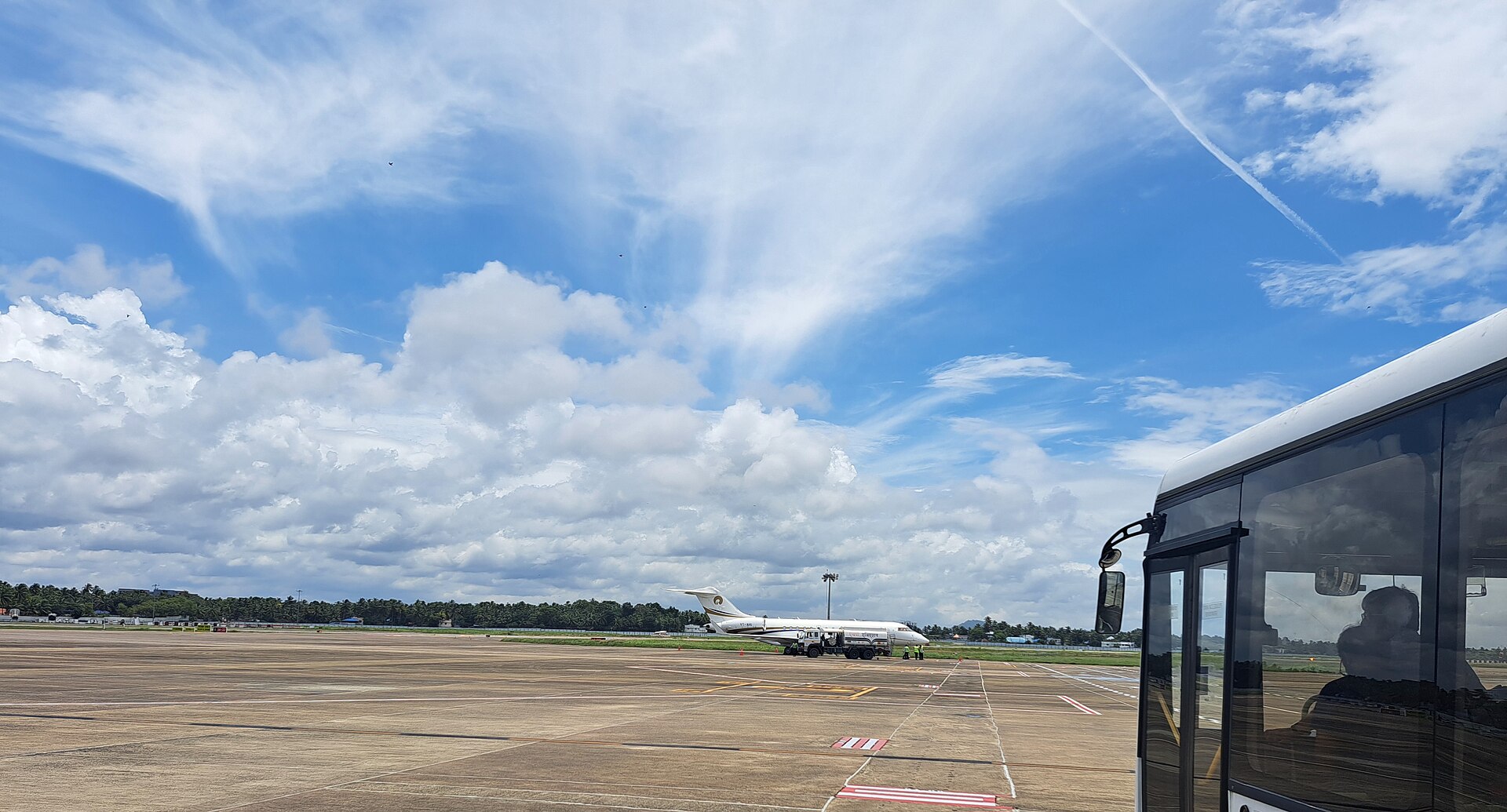
Every charter operator’s website will quote you a price for their own fleet, and every one of those quotes is shaped by that operator’s specific incentives: protect margin, win the booking, or both. A neutral starting point, before any of those conversations, is the published cross-operator rate range for the aircraft class your trip actually needs.
The rate range, by class
Turboprops: $2,000-$2,300/hr. Light jets: $2,750-$3,500/hr. Midsize jets: $4,000-$4,750/hr. Super-midsize jets: $5,100-$6,500/hr. Heavy jets: $7,200-$14,000/hr. Ultra-long-range jets: $16,000-$23,000+/hr. Full detail and sourcing on the hourly rate by aircraft class page.
One-way isn’t half the price of round-trip
A one-way charter quote is almost never half of what the same trip costs round-trip, and the reason is repositioning. Whichever way you fly it, the aircraft has to end up somewhere: either it flies back to base empty after dropping you off, or it flies to your departure city empty before it can pick you up. A round trip at least gets the aircraft used on both legs; a one-way still pays for an empty leg, just moved to whichever direction the repositioning has to happen. Occasionally an operator already has an aircraft positioned near your destination for its next job, which can make a one-way genuinely cheaper, worth asking directly rather than assuming. Absent that, the realistic expectation is a one-way running closer to 70-90% of the round-trip price, not 50%.
Trip length works against you at both ends
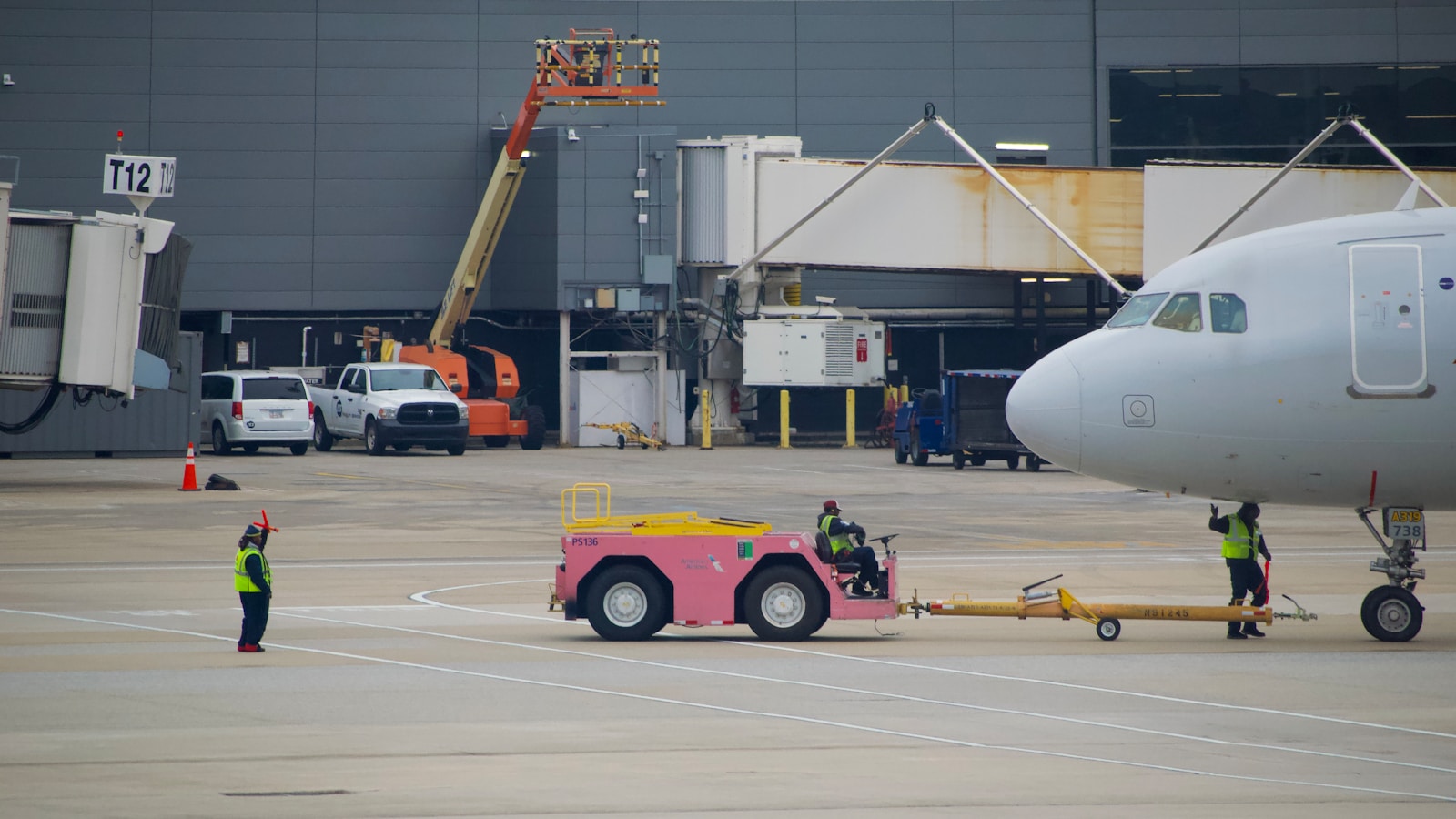
A very short trip gets hit hardest by daily minimum billing, commonly around 2 hours per leg: the effective hourly rate on a 45-minute hop that bills as 2 hours runs nearly triple the quoted number. A very long trip works against you differently. Crew duty-time limits mean one crew can’t legally fly indefinitely, so a genuine multi-leg or transoceanic itinerary often needs a second crew or a scheduled rest period built in, cost that has nothing to do with the aircraft itself. The sweet spot sits in the middle: legs long enough to clear the daily minimum comfortably, short enough that one crew covers the whole trip inside a single duty day.
Peak season moves the number more than aircraft class does
Thanksgiving week, the December 20-January 5 holiday stretch, and major events like the Super Bowl or a big film festival compress aircraft availability hard enough that peak-day surcharges of 5% to 20% are typical industry-wide, with some operators charging up to 40% on the tightest dates. For 2026 specifically, Magellan Jets’ own published holiday guidance recommends booking Thanksgiving charter by mid-September, Christmas by early October, and New Year’s, the single tightest corridor on the calendar, by mid-October. Miss those windows and the surcharge is the smaller problem; the bigger one is finding any aircraft in your class still available.
Winter adds a cost line most quotes bury
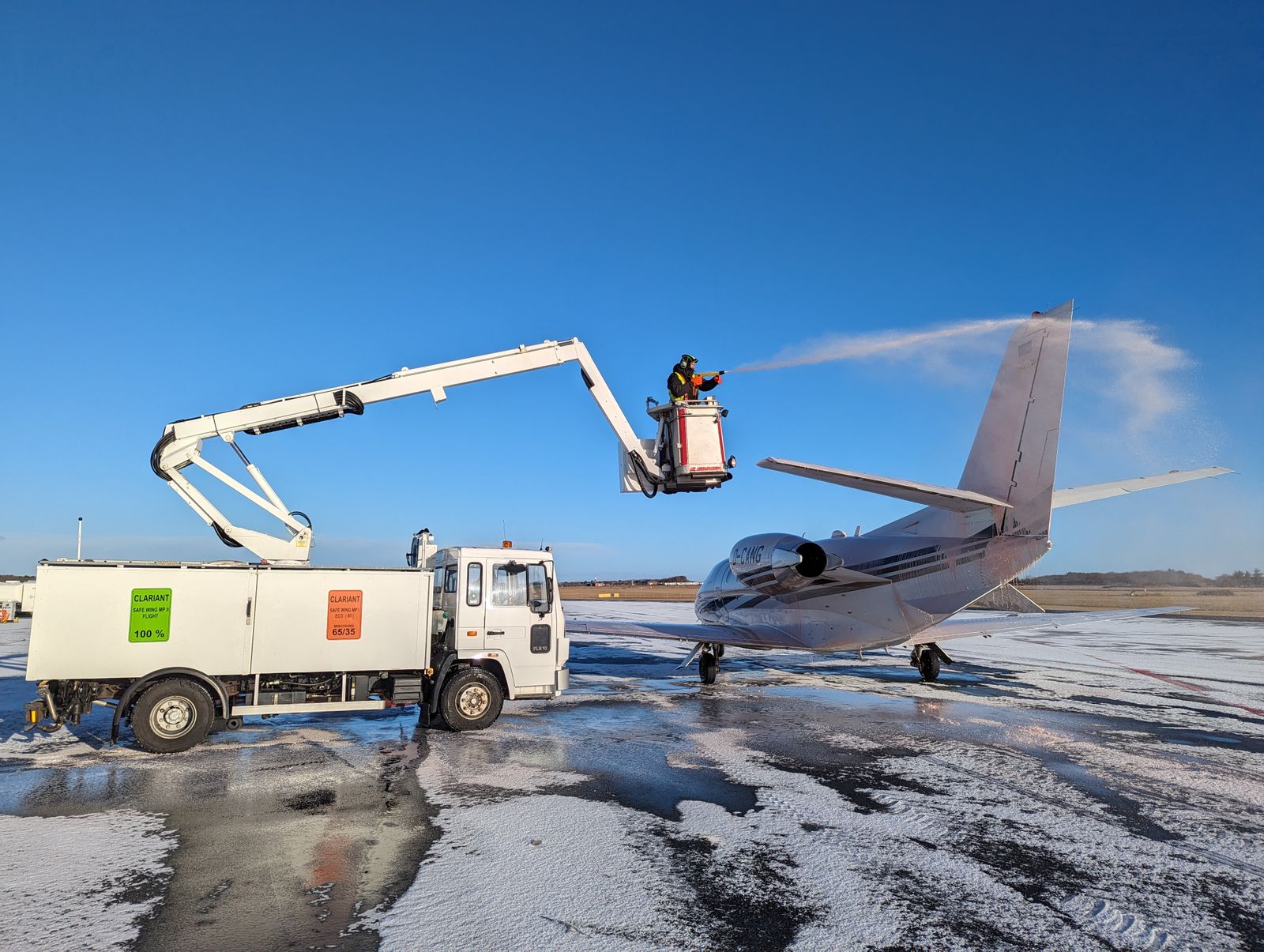
Deicing is a real, aircraft-size-scaled cost on winter operations, not a junk fee, and it applies regardless of class. Light to midsize jets typically run $1,000-$10,000 per treatment; large-cabin aircraft can run past $15,000 in heavy icing conditions, per Paramount’s own published cost breakdown. Glycol fluid alone runs $30-$50 a gallon, and sustained snow can mean more than one treatment before departure. Ask whether a winter quote already includes an estimated deicing line or whether it’s billed after the fact; either is normal, but it should be itemized rather than folded silently into a padded “all-in” number.
What to check before you accept a quote
Confirm which class your quote falls into and whether the hourly rate sits inside the published range for that class. If it’s noticeably above that range, ask why; if it’s noticeably below, look hard at what’s been left out. Ask whether the quote includes the 7.5% federal excise tax, or whether that gets added afterward. And ask specifically about repositioning, whether the operator’s nearest aircraft is actually based near your departure point, since that single factor causes more quote variation than almost anything else.
Booking through a broker or directly with an operator both work, and it’s worth knowing which one you’re doing. A broker shops multiple operators for you, which can surface a better rate or a closer-based aircraft, but adds a layer between you and the carrier actually flying the plane. Booking direct cuts out that layer, but limits you to one operator’s own fleet. Either way, get the name of the actual operating carrier, the FAA-certificated Part 135 (or equivalent) operator physically flying the aircraft, before you fly; brokers sometimes obscure which carrier you’re really flying with until late in the booking process.
Run your specific trip
Use the charter cost estimator to see a modeled all-in range for your aircraft class, flight time, and trip type before you start collecting quotes. It won’t replace a real operator’s itemized number, but it gives you a credible floor to measure any quote against.
For a single trip priced line by line, see charter flight cost. For the underlying ranges and their sourcing, see the hourly rate by aircraft class page, and to price your own routing use the charter cost estimator.
Priced against the real hourly range, not one operator's number.