Private Jet Rental Cost: Renting vs Owning, By The Numbers
Renting a private jet (chartering) costs $2,000-$23,000+ an hour depending on class. Here's when renting beats owning, and where the crossover actually sits.
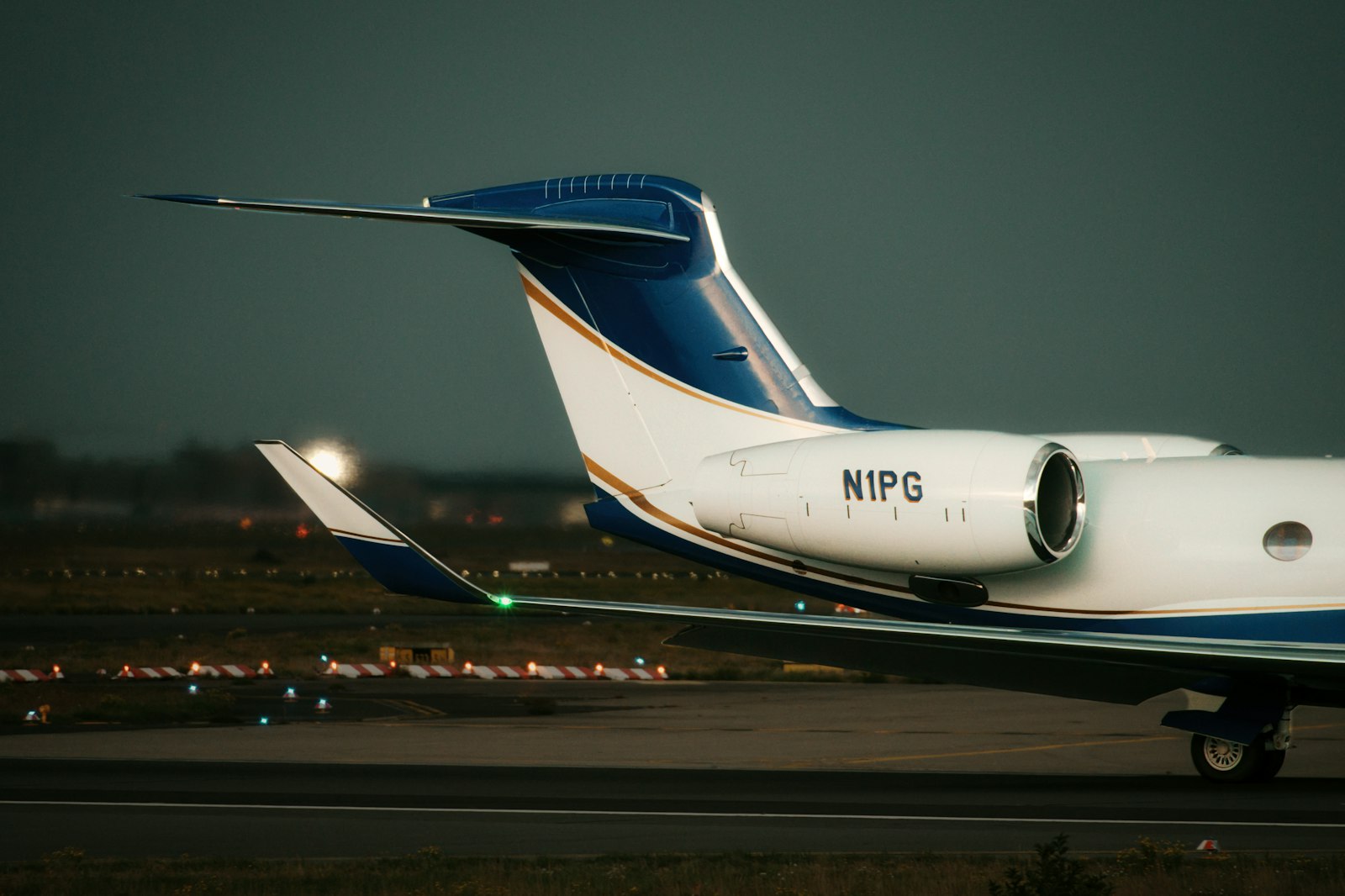
“Private jet rental” is the phrase a lot of people search, but the product itself is charter, paying for a specific flight on a specific aircraft with no ownership stake, no monthly fee, and no commitment beyond that one trip. Rates run the same $2,000 to $23,000+ an hour spread across aircraft classes covered on the private jet charter cost page.
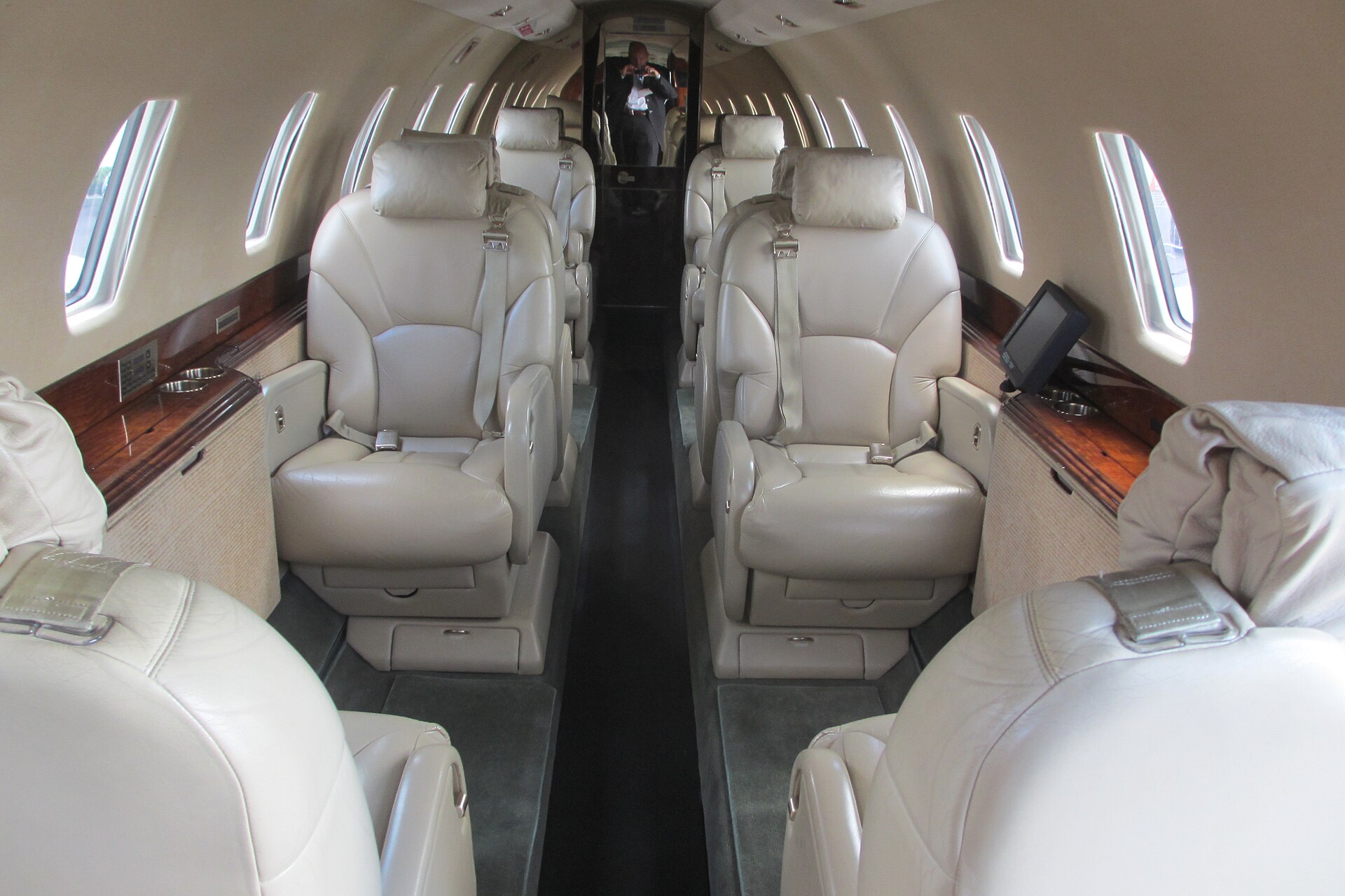
Renting versus owning a share
The alternative to renting isn’t necessarily buying a whole jet, few individuals or companies fly enough hours to justify that. It’s fractional ownership: buying a fraction (commonly 1/16th) of a specific aircraft. PlaneSense, the fractional provider with fully disclosed pricing, prices a 1/16th share of its PC-24 light jet at roughly $705,000 to acquire, $9,534 a month in management fees, and $2,405 an hour occupied.
That math only pencils out at real volume. Fly the full 50-hour annual allotment on that PC-24 share and the ongoing costs alone (management fee plus occupied time) run close to $4,700 an hour, before amortizing the $705,000 acquisition. Fly fewer hours and the blended cost climbs fast, since the monthly fee doesn’t shrink with usage.
Roughly 50 flight hours a year and up is generally where fractional ownership’s blended cost, the acquisition amortized over the term plus the monthly fee plus the occupied-hour rate, starts beating both on-demand charter and a jet card, provided you can actually commit to the multi-year term fractional ownership requires. Below that, the commitment usually isn’t worth it.
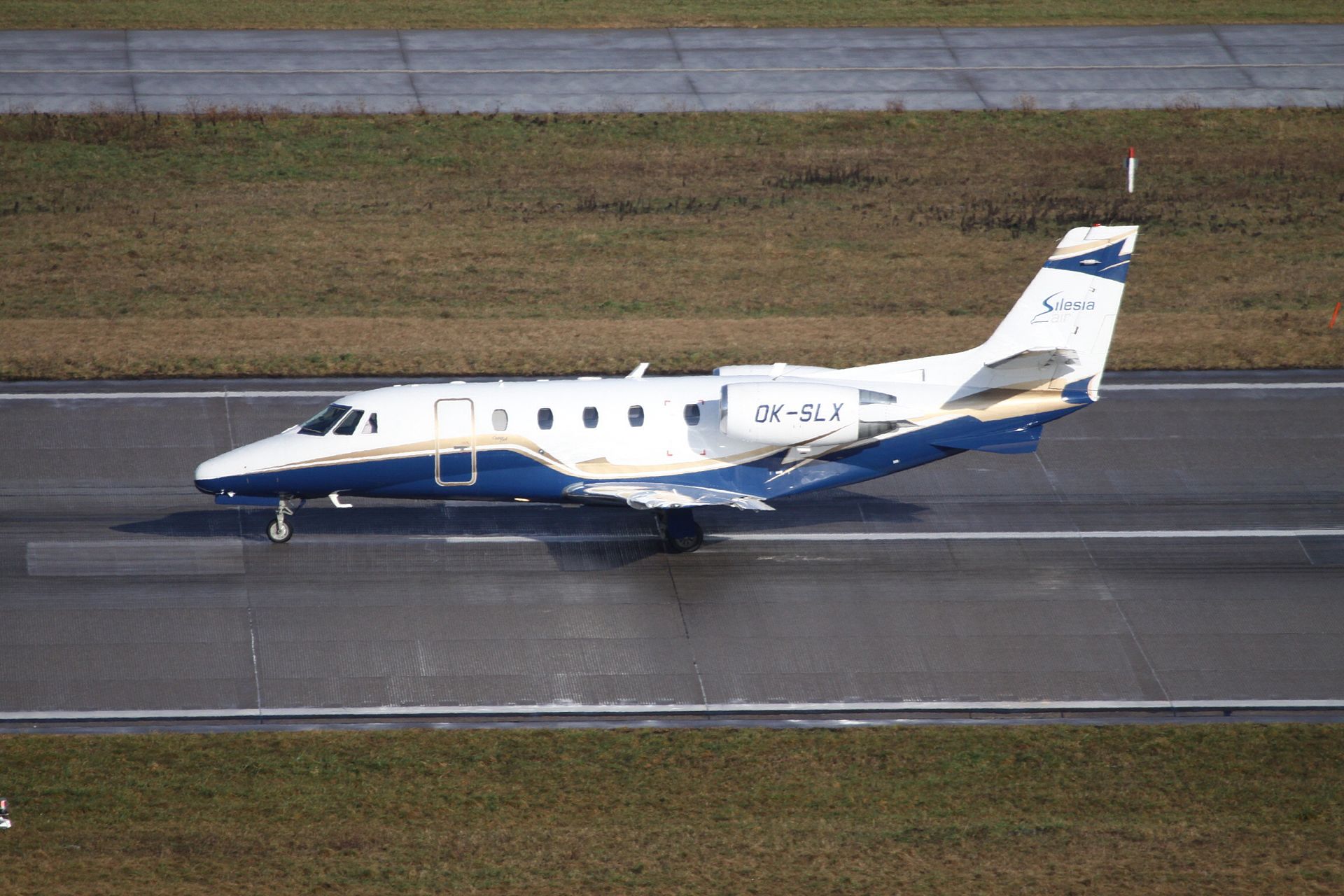
Renting versus a jet card
A jet card sits between renting and fractional ownership, and the price gap tells you what it’s actually buying. Sentient Jet’s SJ25 card, a light-jet product, runs $7,324 an hour. Spot charter on a comparable light jet runs $2,750-$3,500 an hour. That’s not a broker markup, it’s roughly double to two-and-a-half times the rental rate for the same aircraft class, and the difference is entirely what the card locks in: a rate that doesn’t move for peak dates, weather-driven repositioning premiums, or a fully booked holiday weekend, plus a guaranteed callout window, sometimes as little as a few hours’ notice.
Renting wins when your flying is occasional and your dates are flexible enough to absorb spot-market pricing swings. A jet card wins when you fly often enough, and unpredictably enough around peak dates, that rate certainty is worth paying roughly double for. See the full jet card cost breakdown for real program figures across four providers.
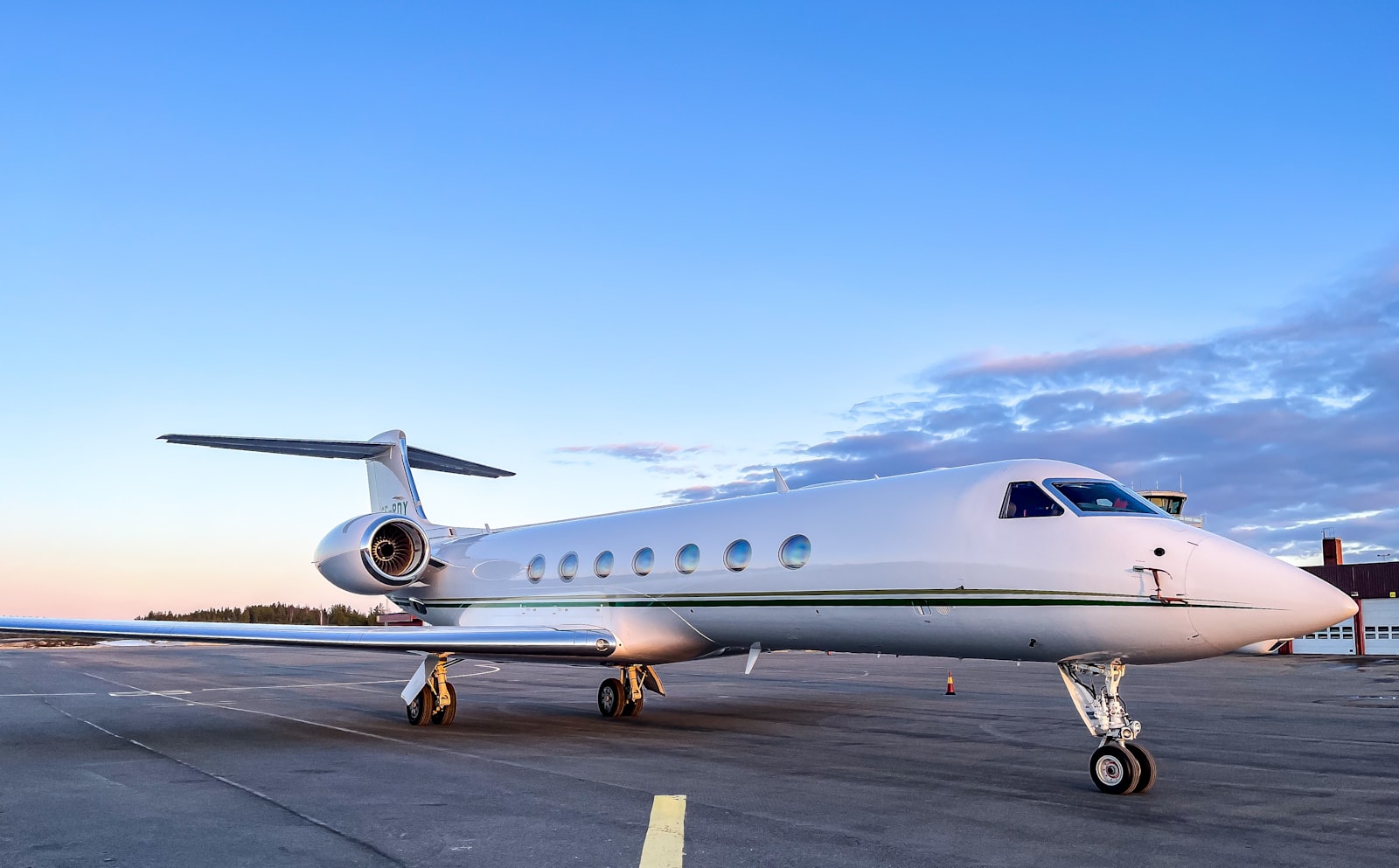
Where renting (charter) wins outright
Under roughly 25 hours a year, on-demand charter almost always beats every ownership model on total cost, you’re never carrying a fixed monthly fee or an acquisition cost for hours you’re not flying. See the full charter vs. jet card vs. fractional comparison for the break-even math at different usage levels.
Renters with flexible travel dates have one more lever ownership models don’t offer: empty legs. When an aircraft has to reposition after dropping off a client, or fly back to base before its next job, operators discount that repositioning flight rather than fly it for nothing. VistaJet, which runs its own empty-leg listings, prices these anywhere from 25% to as much as 75% below a standard charter fare on the same route. The tradeoff is real, though: the route, aircraft, and departure window are fixed by whoever’s original trip created the empty leg, availability often firms up only shortly before departure, and it’s a one-way booking, so a return flight has to be arranged separately. For a renter who can move dates around a deal rather than the other way around, empty legs are the single biggest lever available, bigger than negotiating the base hourly rate.
What actually changes a rental quote
Aircraft class is the biggest lever (see the full rate table by class). After that: the 7.5% federal excise tax on every quote, daily minimum billing, and whether the aircraft you’re renting is already based near your departure point or needs to reposition first. A one-way rental is more exposed to that repositioning cost than a round trip, since the aircraft has to fly back empty (or reposition for its next job) either way, and that empty leg gets billed to somebody. Quote timing matters too: Private Jet Card Comparisons’ own market tracking shows daily minimum billing climbing market-wide through Q1 2026, up 11.6% quarter over quarter, a sign that operators are pricing short or unpredictable trips more conservatively as demand firms up around peak travel dates. Use the charter cost estimator to model a specific trip with all of these shown as line items.
Which model actually fits your flying
As a rough usage-based guide: under 25 hours a year, rent (charter) and keep the flexibility to chase empty legs. Between 25 and 50 hours, especially if a meaningful share of that flying lands on peak dates, a jet card usually pays for its rate lock. Past 50 hours a year of consistent, plannable flying, fractional ownership usually beats both on blended cost, and a membership is worth layering in separately if what you actually need is guaranteed access and fleet vetting rather than a fixed rate. None of these are mutually exclusive; plenty of frequent flyers carry a jet card for rate certainty and still rent for one-off trips outside the card’s fleet.
Priced against the real hourly range, not one operator's number.